

Affiliate disclosure: This post contains Amazon affiliate links. As an Amazon Associate, Potter's Hand Botanicals earns from qualifying purchases at no extra cost to you.
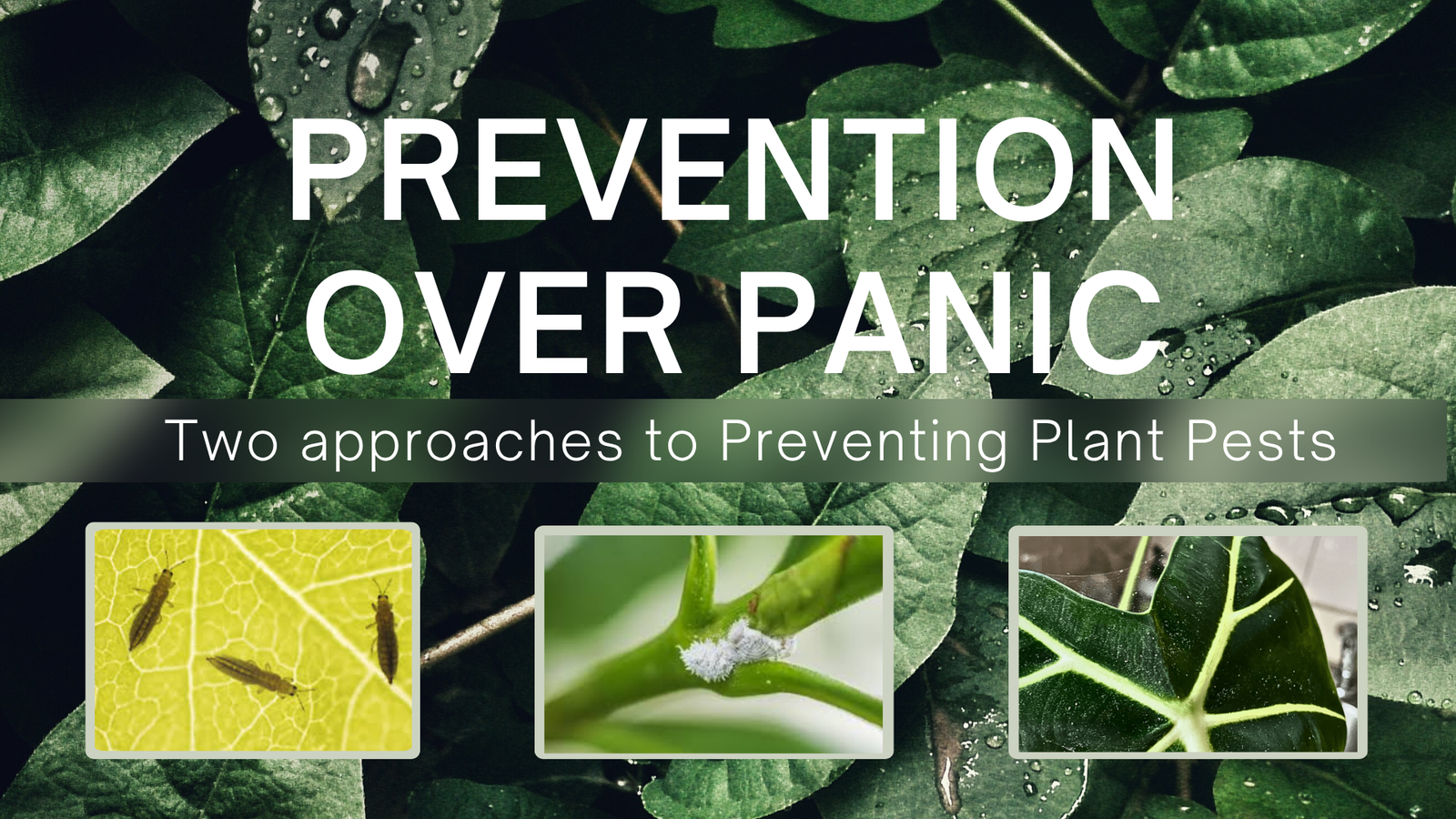
A practical guide to keeping small pest problems from becoming big ones.
Here’s an unpopular opinion—pests are a natural part of plant care. No matter how carefully you tend your plants, they’ll find their way in.
The goal isn’t a completely pest-free space—it’s keeping small, manageable issues from becoming overwhelming ones. Because it’s not the presence of pests that causes damage, but unchecked populations over time.
That’s where preventative care comes in—not to eliminate pests entirely, but to stay ahead of them with consistency and awareness.
Quick Start: Pest Prevention in 60 Seconds
If you’re just getting started, here’s the simplest way to stay ahead of pests:
- Check your plants weekly (undersides + new growth)
- Wipe leaves regularly to remove dust and hiding spots
- Quarantine new plants before adding them to your collection
- Keep your environment balanced (avoid overwatering, improve airflow, support plant health)
- Choose your approach — observe and treat as needed (IPM), or follow a light, consistent preventative routine
- Stay consistent — small habits make the biggest difference
The goal isn’t to eliminate pests—it’s to keep small problems small.
In this guide, we’ll explore two approaches: a holistic, observation-based method (IPM) and a structured chemical prevention routine—along with the strengths and tradeoffs of each.
2. What Is Preventative Pest Management?
Preventative pest management isn’t about keeping your plants completely pest-free—in most indoor spaces, that simply isn’t realistic.
Pests are part of the environment, whether they arrive on new plants, through open windows, or everyday movement. What matters is what happens after they show up.
Preventative care focuses on limiting how much pests can multiply, spread, and overwhelm your plants.
In a healthy plant environment:
- Small pest populations can exist without causing visible damage
- Plants are resilient enough to tolerate minor stress
- Issues are noticed and addressed before they escalate
Without that foundation, even minor pest activity can quickly escalate—leading to weakened growth and decline.
Preventative pest management is less about reacting and more about supporting the system as a whole: keeping plants healthy, maintaining consistent routines, and staying observant.

It’s a quiet kind of care—but one that makes the biggest difference over time.
3. The Foundation of Pest Prevention
Most approaches to pest prevention share the same foundation. These are the habits that keep pest issues manageable in the first place.
Without them, even the best treatments won’t fully prevent problems from returning.
At its core, prevention is about reducing the conditions that allow pests to multiply.
Routine Inspection

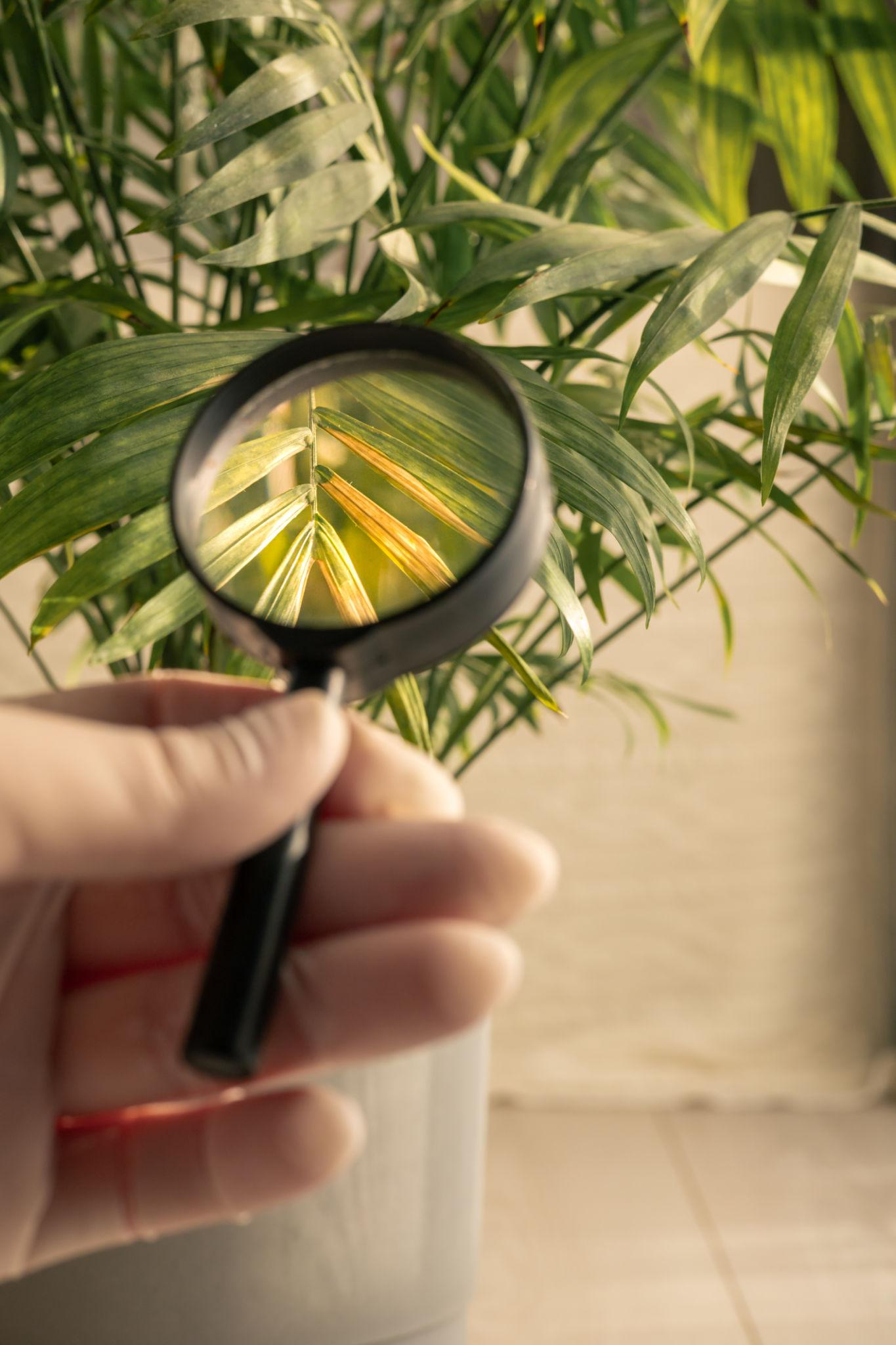
Checking leaves regularly—especially the undersides—helps catch early signs before they spread.
Personally, I gently open new leaves as they emerge—pests often target new growth, where you’ll find nymphs or early-stage activity.
Cleaning Foliage
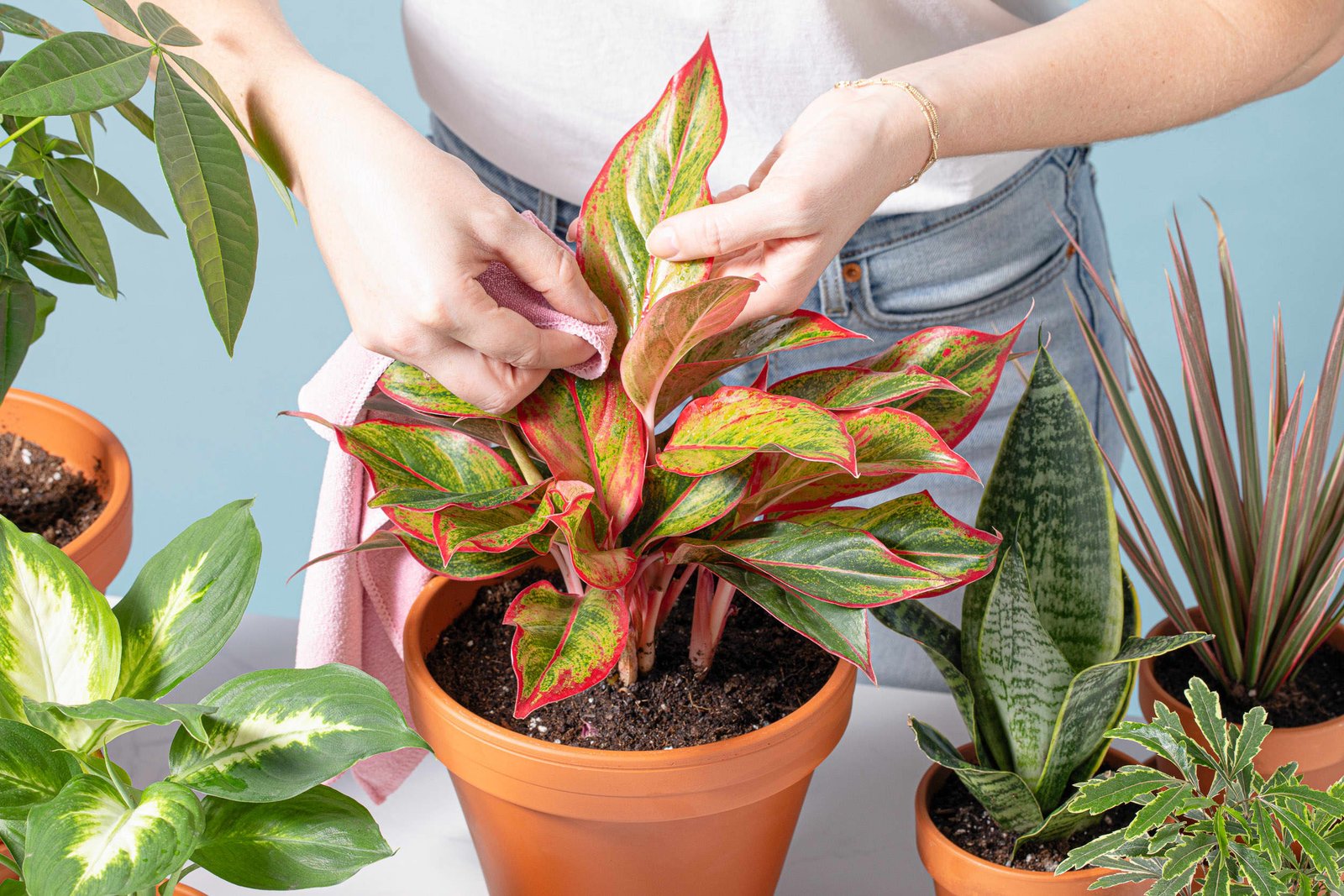
Dust and buildup create ideal hiding places for pests.
To make this step truly preventative:
- Choose lint-free microfiber — No shedding, no visual clutter on your leaves.
- Avoid cross-contamination between plants — Don’t use the same cloth across multiple plants or sections.
- Work in sections — Fold your cloth and use one side at a time, or switch to a fresh cloth between plants.
- If reusing cloths, disinfect properly — Skip hydrogen peroxide dips—they’re not reliable and may leave residue. If you need to reuse a cloth, lightly mist with 70% isopropyl alcohol and let it sit for about 30 seconds before using again.
- Start clean, stay clean — Multiple cloths per session is better than trying to sanitize one as you go.
A simple wipe-down becomes a preventative habit when done with intention—keeping your plants clean, visible, and harder for pests to take hold.
Quarantining New Plants
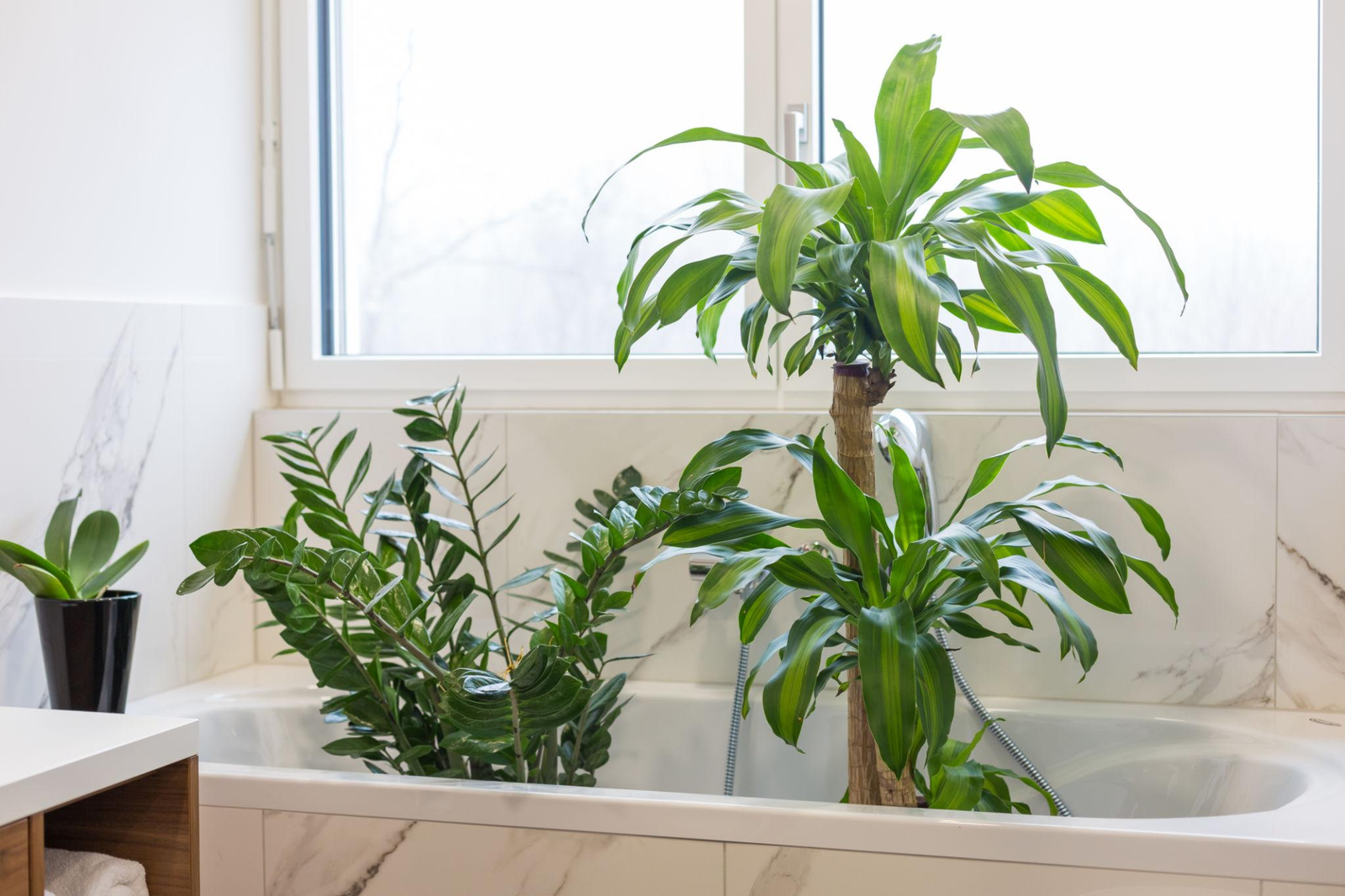
Many pest issues are introduced—not developed. Giving new plants time apart prevents spread.
Balanced Watering and Soil
Overly damp conditions create ideal environments for pests like fungus gnats.
I focus less on surface dryness and more on what’s happening deeper in the pot. Clear pots, moisture meters, or even a wooden skewer can help you accurately assess moisture levels and avoid overwatering.
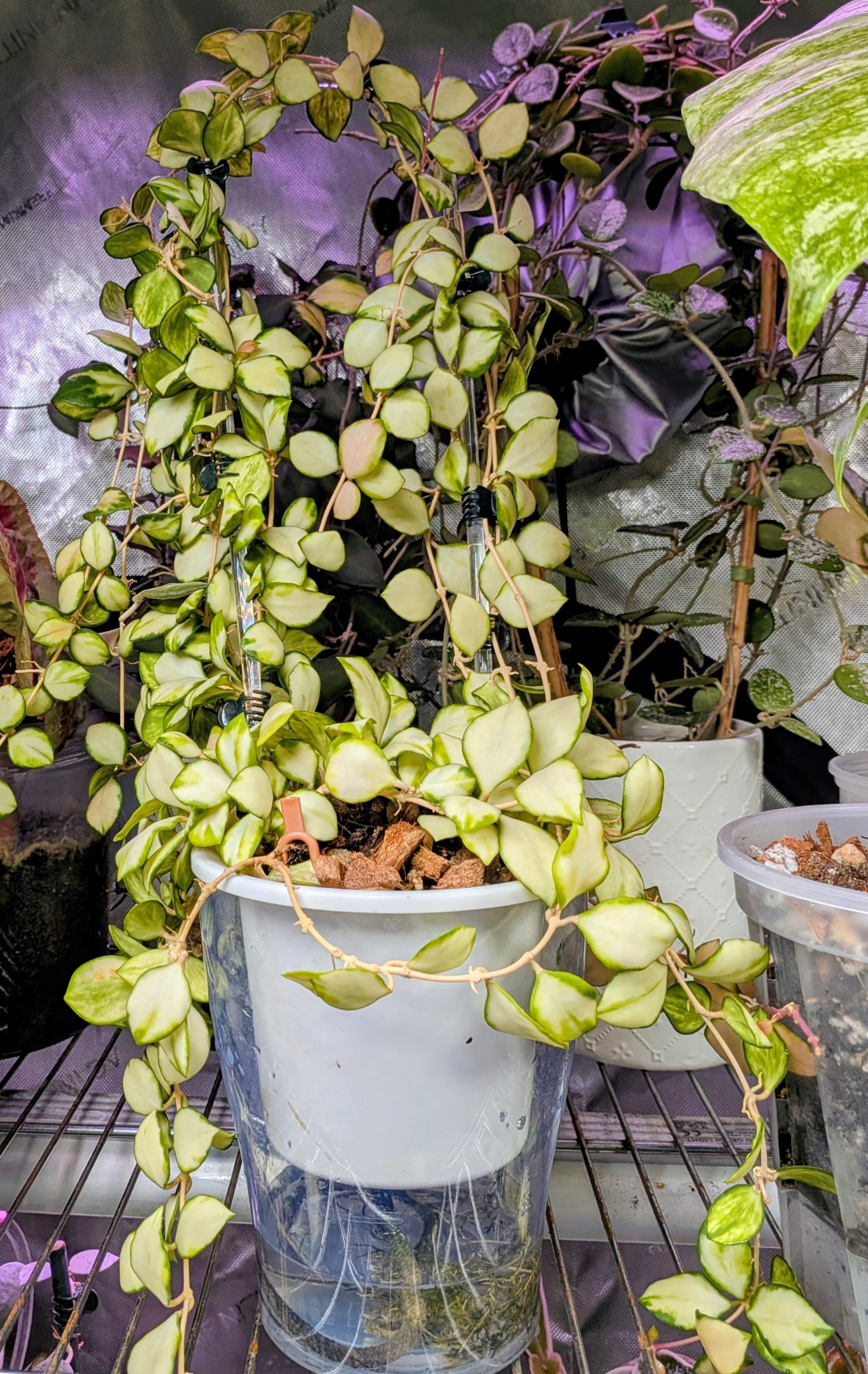
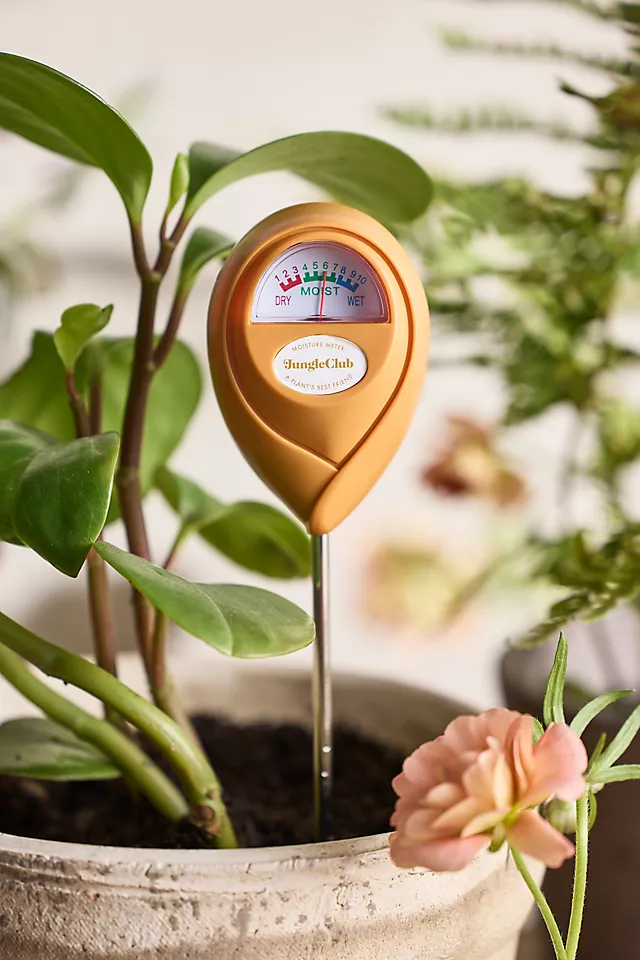
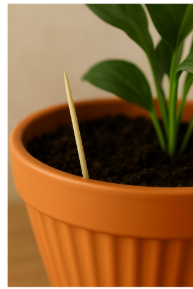
These habits don’t eliminate pests entirely—but they make it much harder for small issues to turn into overwhelming ones.
Over time, I’ve tested different approaches to staying ahead of pests, and I’ve found myself consistently coming back to two: an observation-based method (IPM) and a structured chemical routine.
Both rely on the same foundation—the difference is how you choose to handle what follows.
4. Approach One: Integrated Pest Management (IPM)
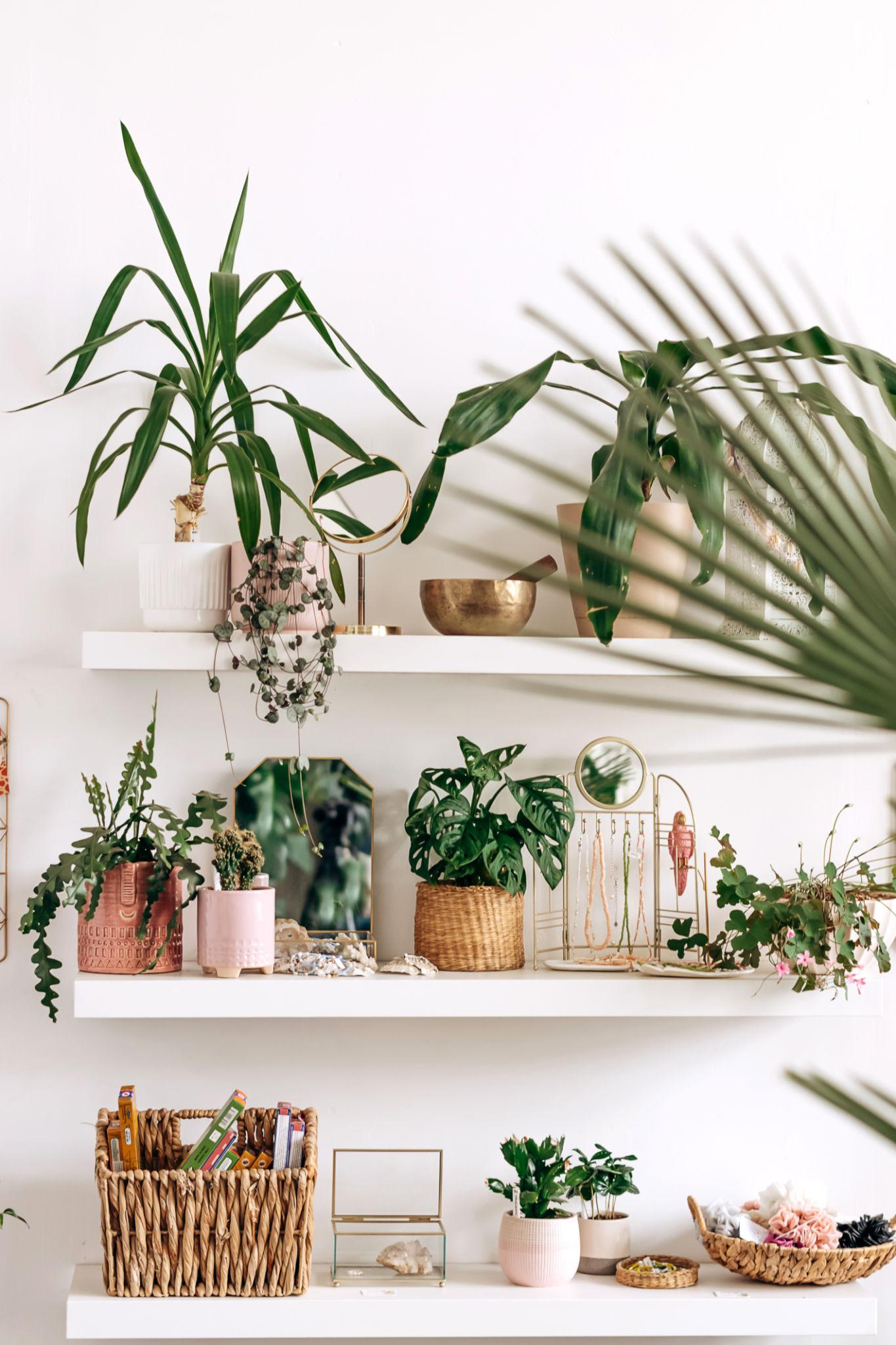
IPM builds on that foundation by focusing on observation and early response, rather than routine treatment.
It’s not one magic product—but a system of habits, tools, and timing.
Start with Observation
Before you treat anything, you look.
What to Check (Quick Weekly Scan)
- Underside of leaves — spider mites love this
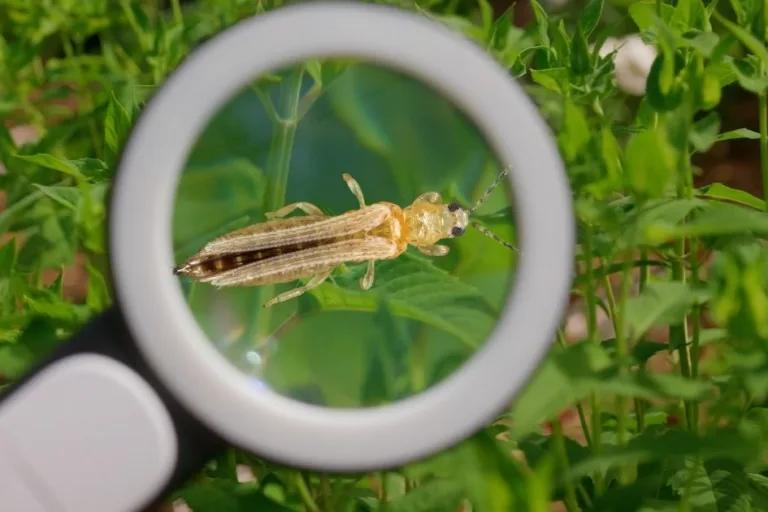
- New growth — thrips target this
- Nodes + stems — mealybugs hide here
- Soil surface — fungus gnats
Goal: catch pests when they’re annoying, not overwhelming.
I love using a jeweler’s loupe—it makes a huge difference in what you can catch early.
Mechanical Control (Your First Line of Defense)
Simple, physical removal:
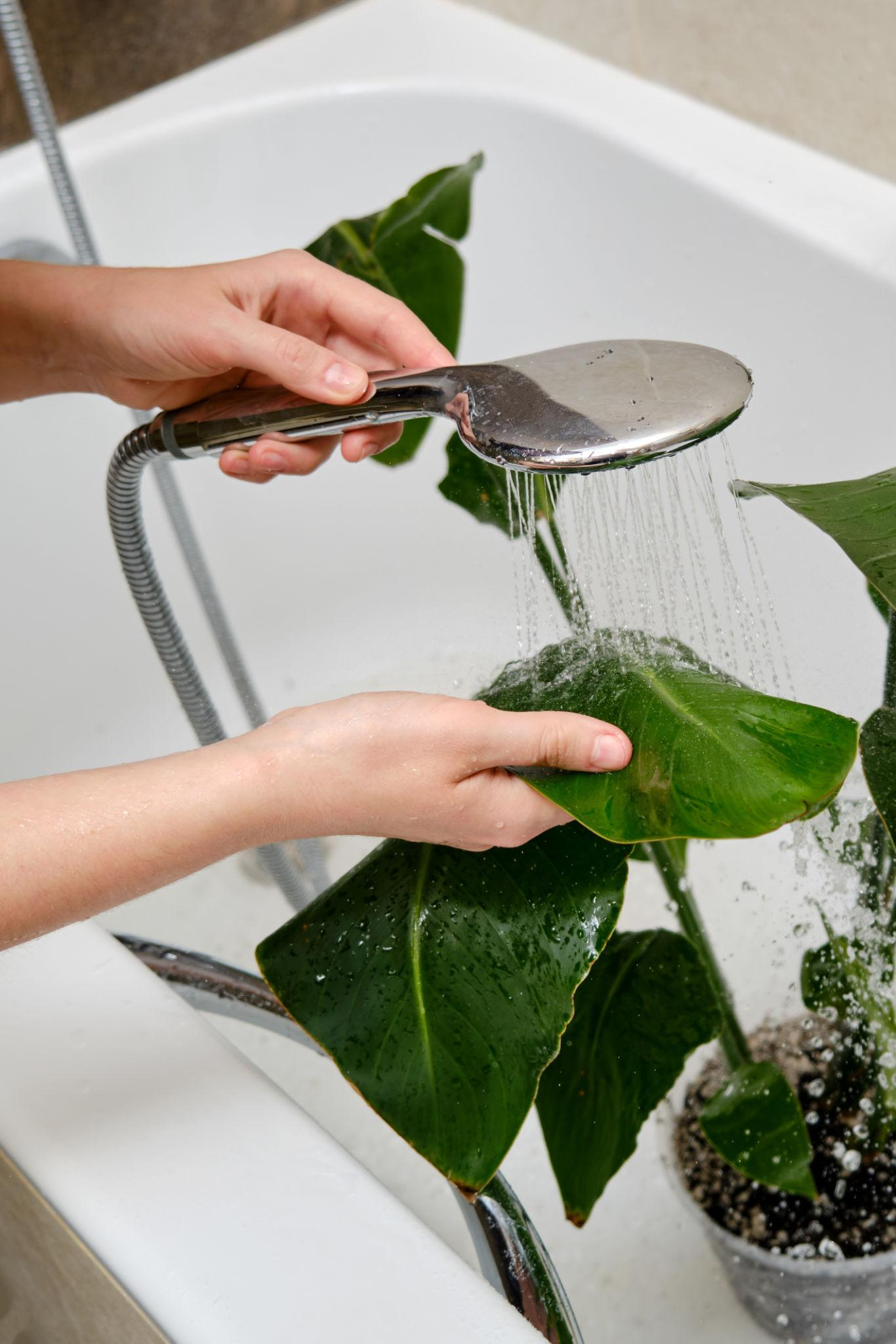
- Shower rinse with lukewarm water
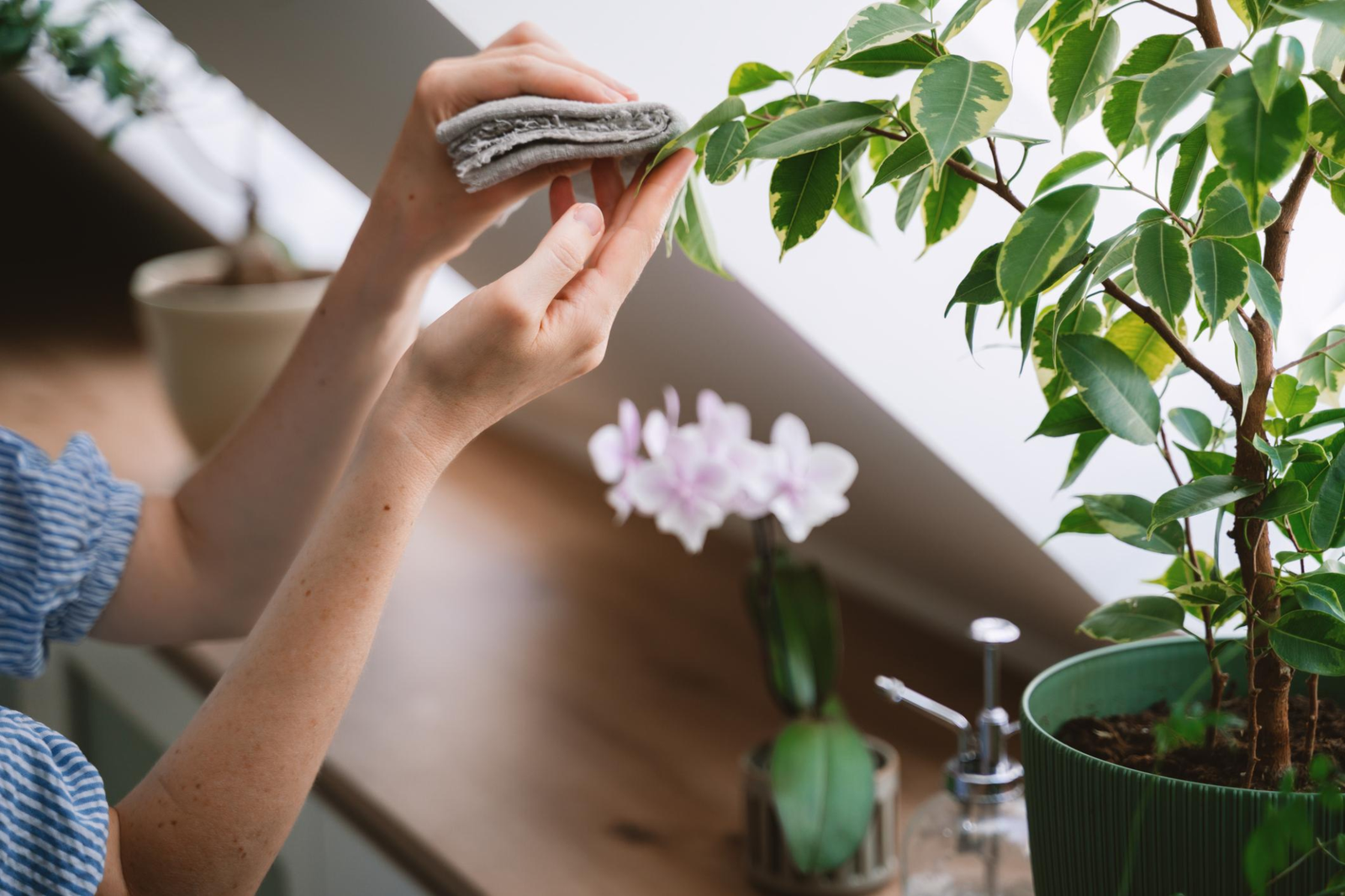
- Leaf wipe-down
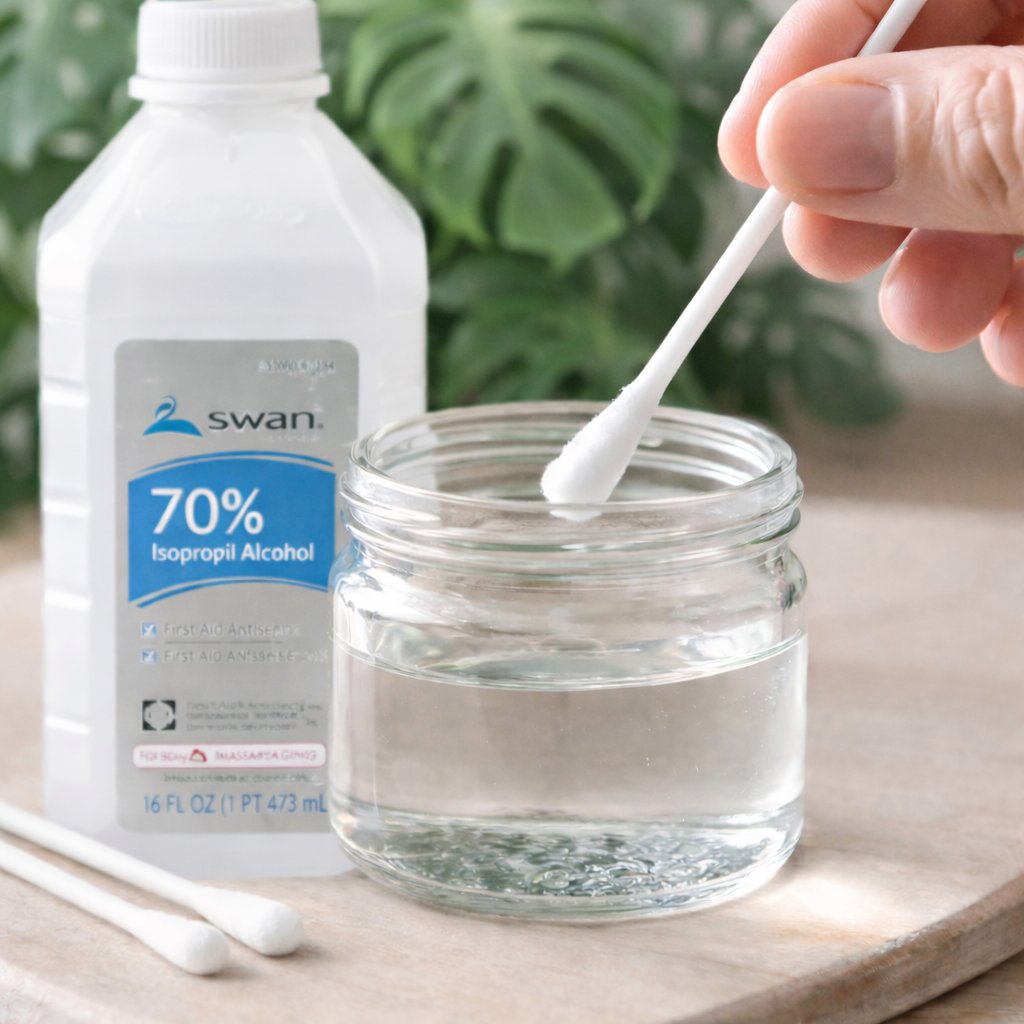
- Alcohol spot-treatment — Use a cotton swab dipped in isopropyl alcohol to spot-treat visible pests. This method is most effective for soft-bodied insects like mealybugs, scale, small aphid clusters, and early spider mite presence, but is less reliable for thrips or more established infestations.
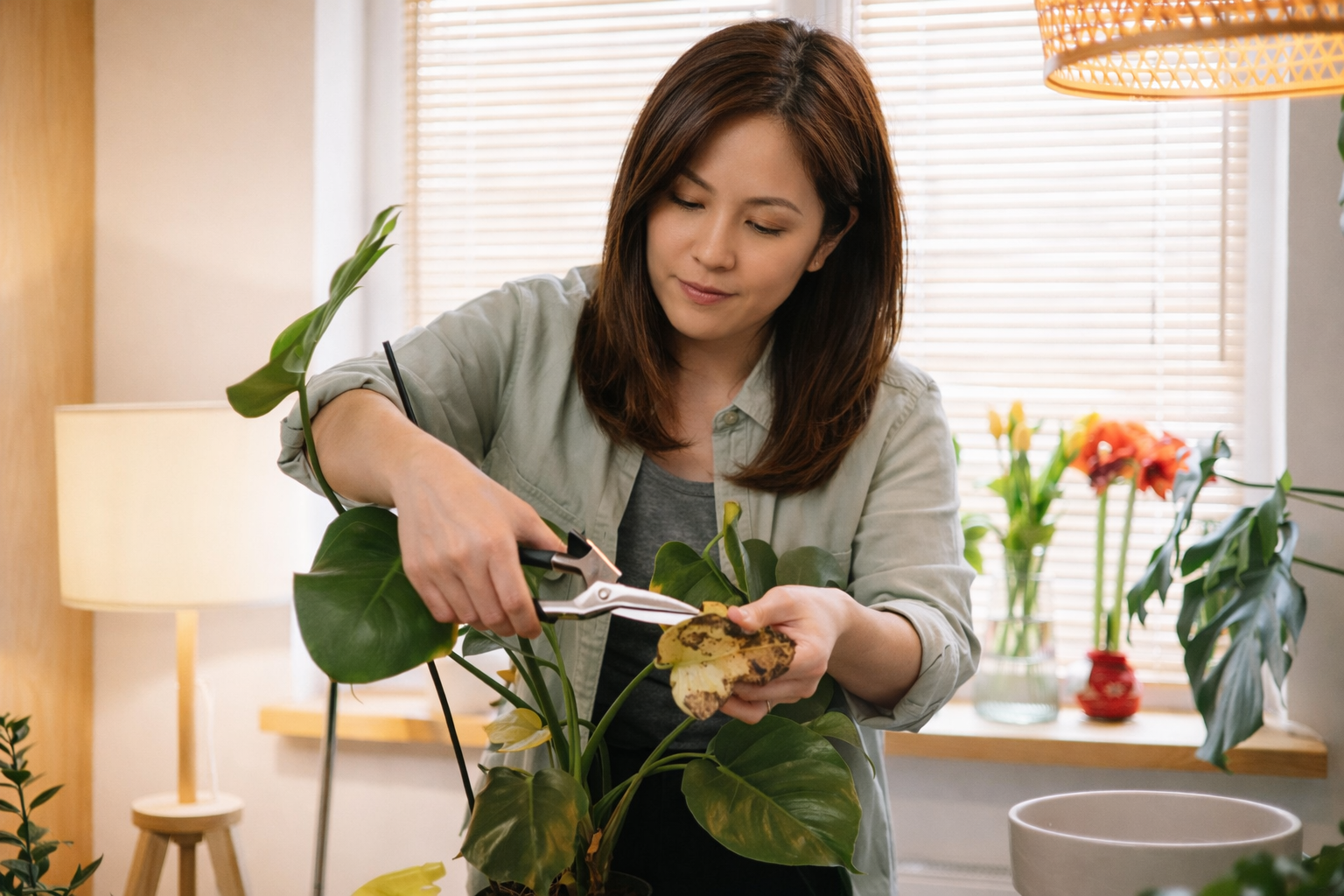
- Prune heavily infested leaves
These reduce pest populations immediately—without chemicals.
Environmental Control (Prevent Explosions)
Pests thrive when plants are stressed.
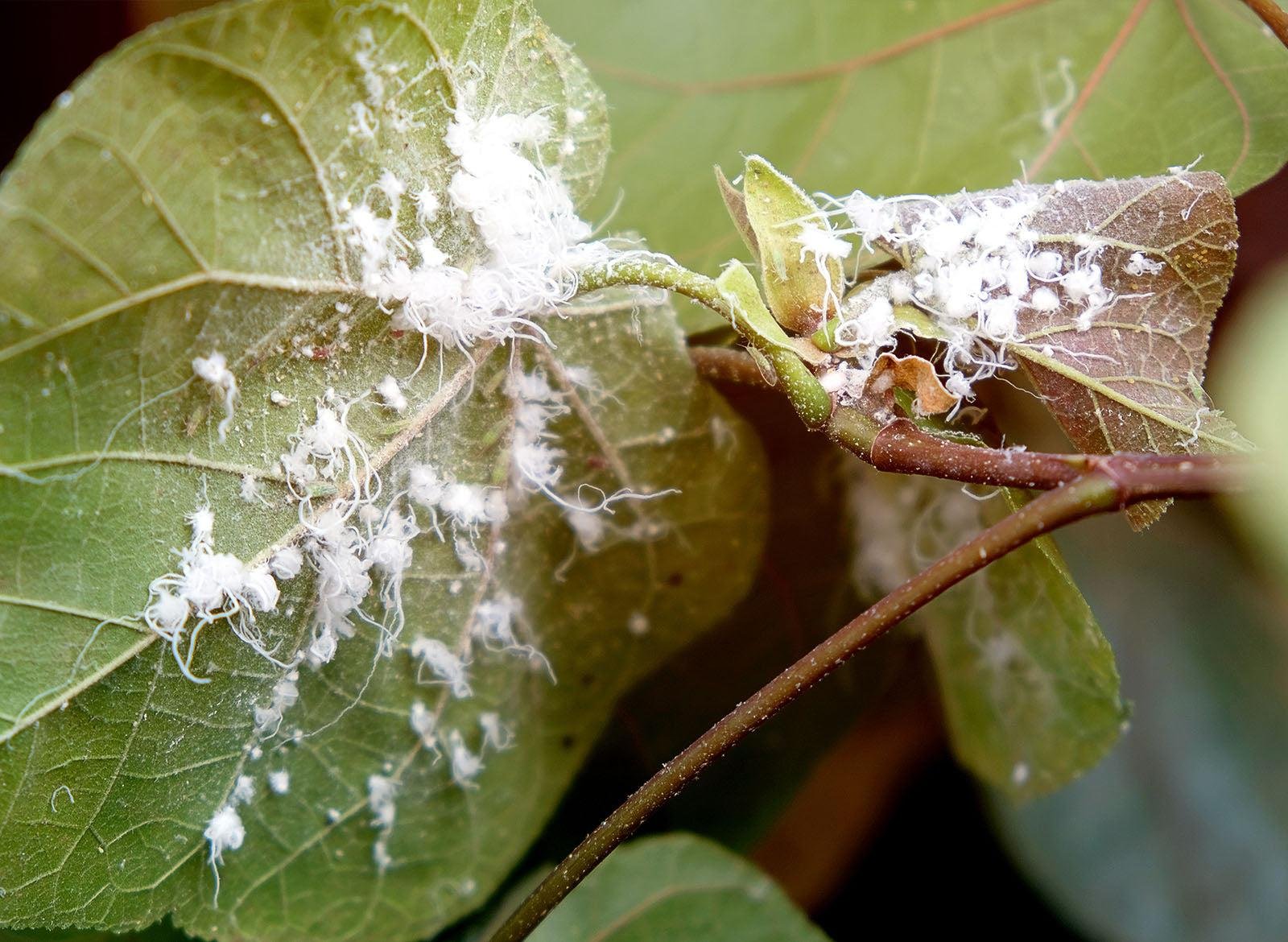
- Low light — weaker plants
- Overwatering — gnats
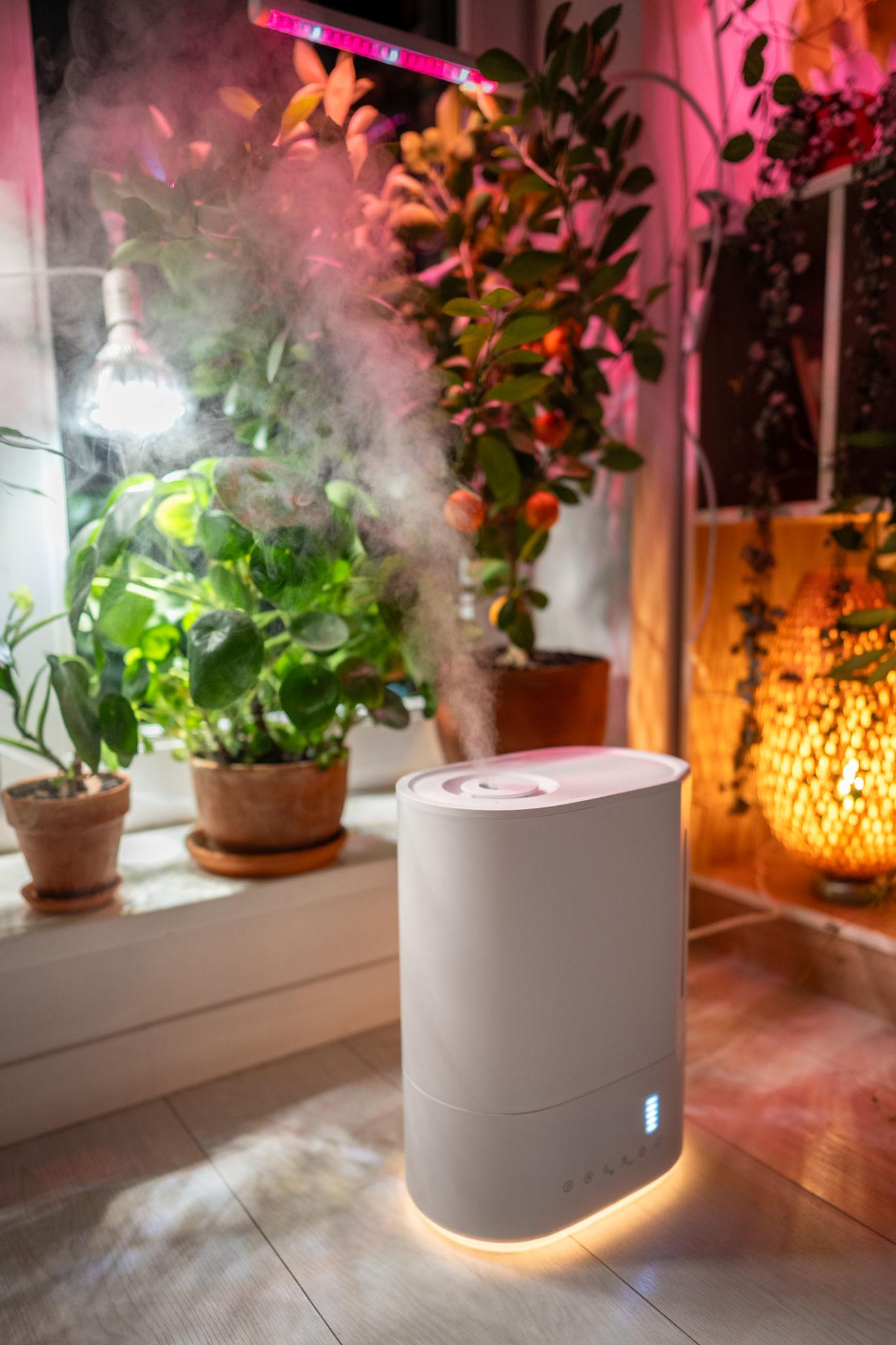
- Low humidity — spider mites
- Poor airflow — rapid spread
Small adjustments make a big difference. For example, spider mites hate humidity. A humidifier alone can slow them down dramatically.
Targeted Treatments (When You Need Backup)
When needed, layer in treatments. Common IPM-friendly options:
Safer Insecticidal Soap Concentrate
Gentle contact treatment for soft-bodied pests like aphids and mealybugs.
Bonide Captain Jack’s Neem Oil Ready-To-Use Spray
A versatile, IPM-friendly option for general pest deterrence.
Monterey Horticultural Oil Ready to Spray
Smothers and controls pests on contact; effective for mites, scale, and more.
Bonide Captain Jack’s Deadbug Brew Ready to Use Spray (Spinosad)
Great for thrips and other soft-bodied pests.
Biological Control (Optional but Powerful)
Beneficial insects create a self-sustaining system—working quietly in the background to keep pest populations in check.
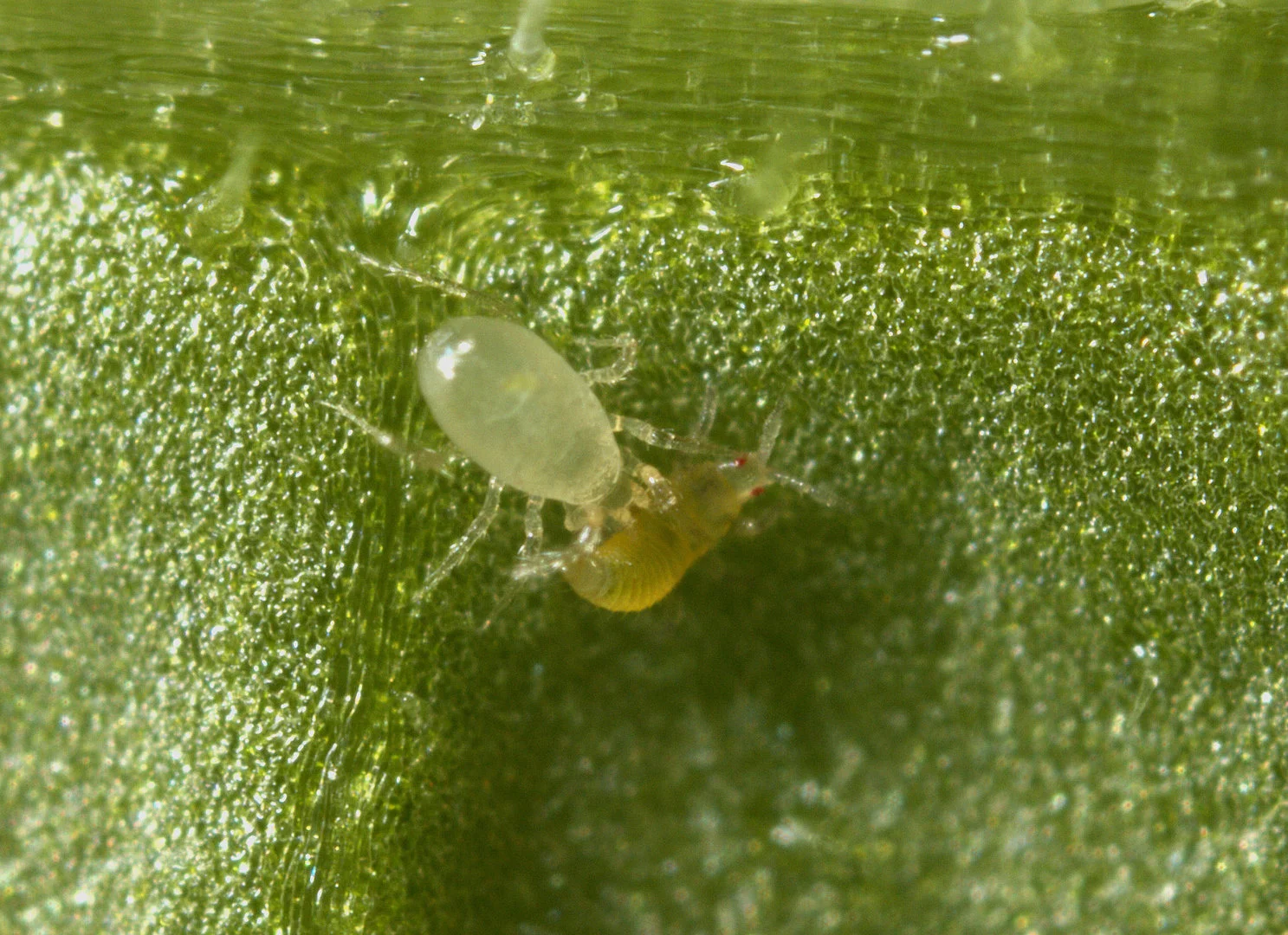
Common Beneficial Insects
- Predatory mites (like swirskii) — thrips, spider mites
- Lacewing larvae — generalist predators (aphids, thrips, more)
- Minute pirate bugs — excellent for thrips
Pro tip: Search for beneficial bug groups on Facebook. They can help you get started with predatory insects and are a great resource if you need guidance along the way.
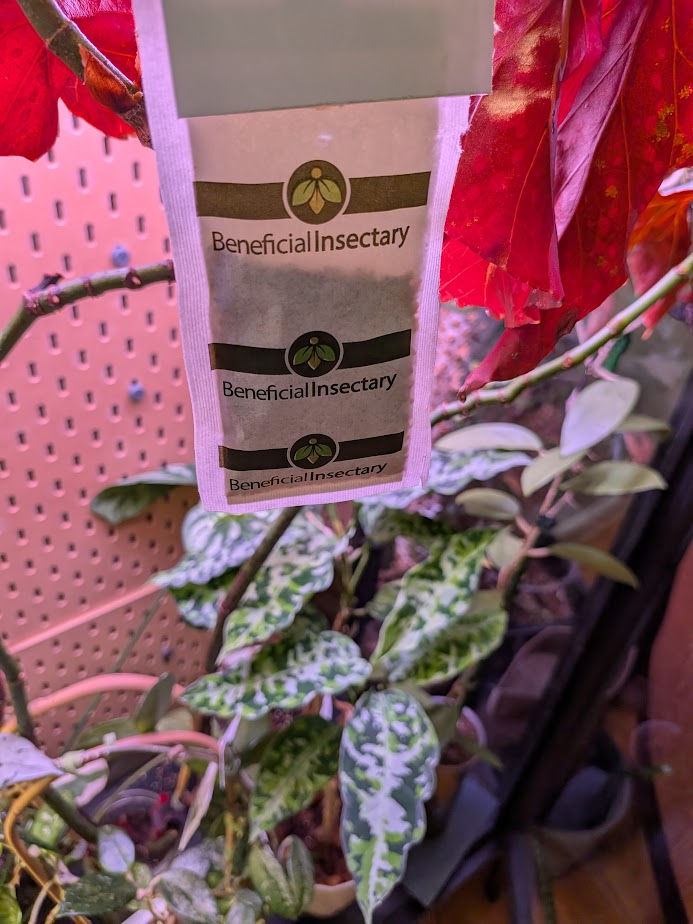
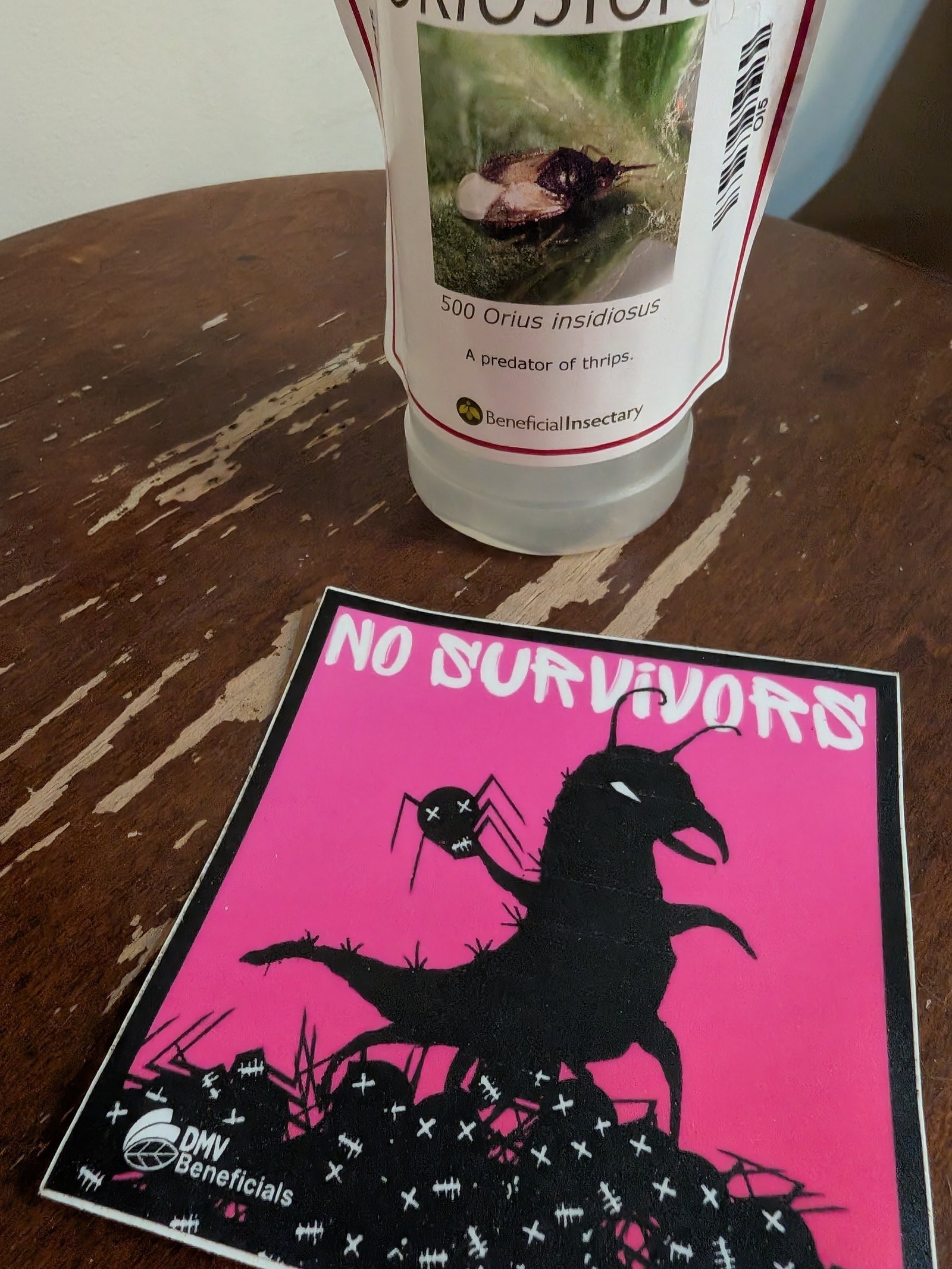
DMV Beneficials is a great Facebook group for guidance and support when getting started with beneficial insects.
Beneficial insects offer something invaluable—peace of mind. They work quietly in the background, protecting your plants even when you’re not.
They supported me when I was just starting out, and I still rely on them when life gets busy. It’s a layer of protection that makes plant care feel more sustainable.
Best For
- Larger plant collections
- Greenhouse-style or high-density setups
- Ongoing prevention with less hands-on effort
They act as your background protection system.
Spotlight: Lacewings (The Generalist Workhorse)
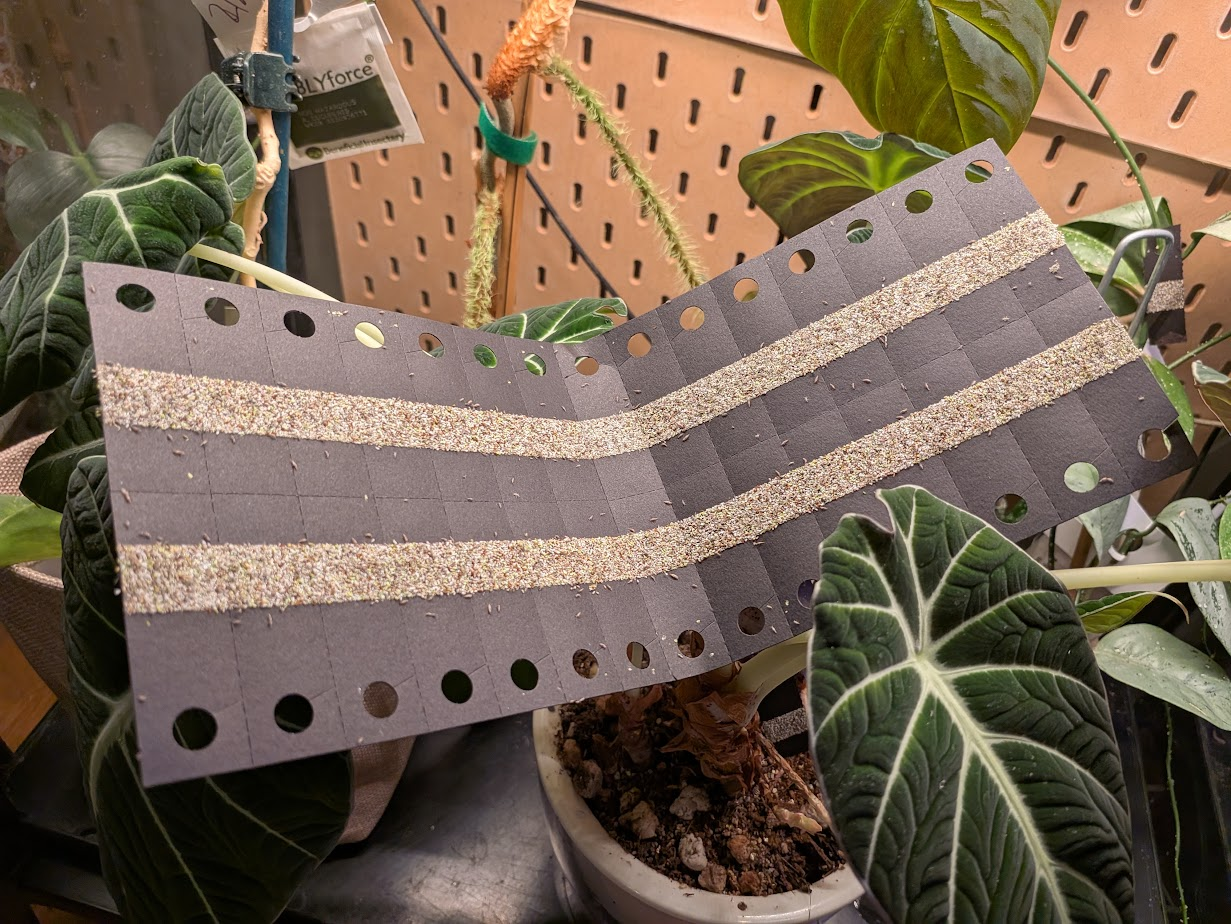
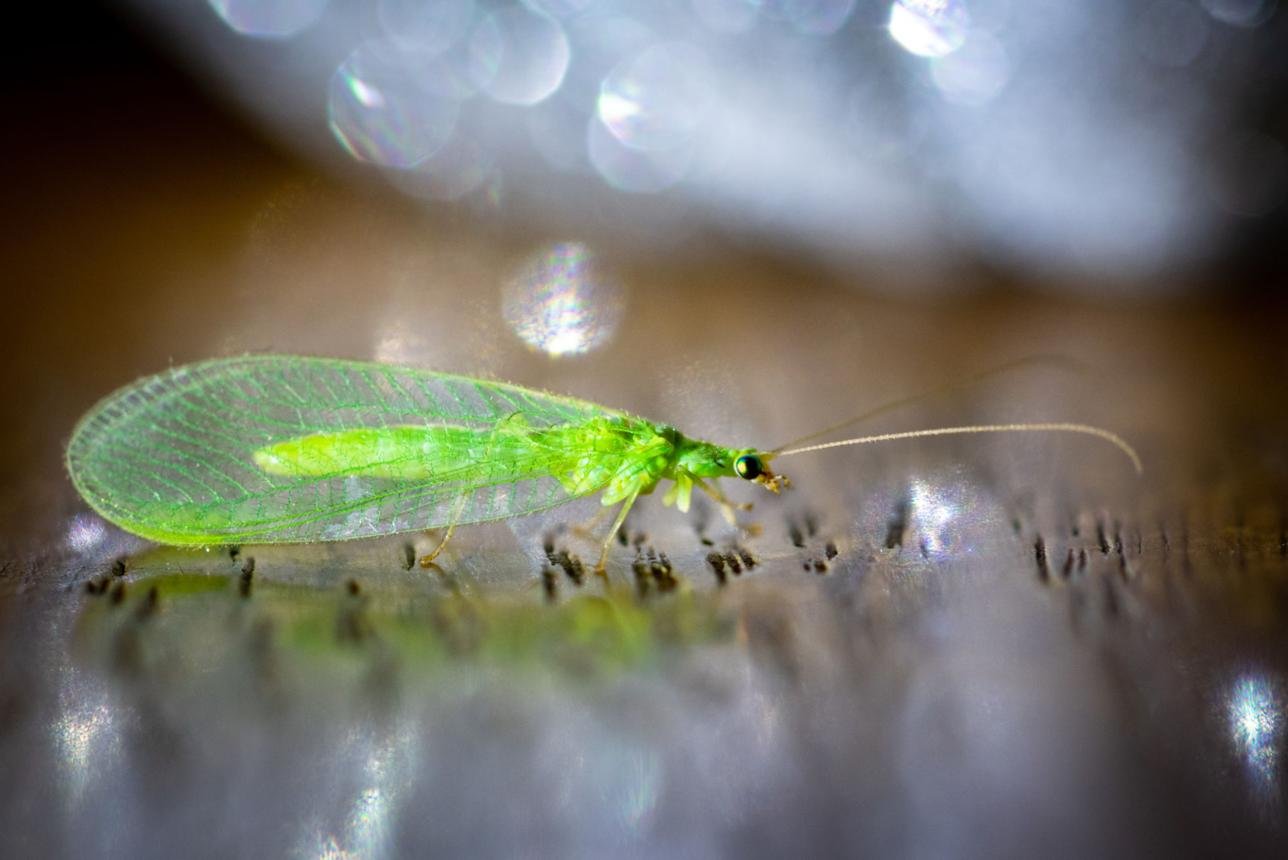
Lacewing larvae (often called “aphid lions”) are the active hunters, while adult lacewings are delicate, winged insects that focus more on reproduction than pest control.
If I had to recommend one beneficial insect for versatility—especially for beginners—it would be lacewing larvae.
Unlike more specialized predators, juvenile lacewings are generalists, which means they don’t rely on just one type of pest. They actively hunt a wide range of soft-bodied insects, making them incredibly useful when you’re not 100% sure what you’re dealing with.
Lacewing Larvae at a Glance
- What they target — Aphids, thrips (especially larvae), mealybugs, whiteflies, and other soft-bodied pests
- Why they stand out — They don’t “wait” for a specific pest—they hunt what’s available
- Best stage to use — Larval (juvenile) stage—this is when they’re actively feeding
- What to expect — They’re aggressive feeders and will move around your plants in search of prey
Lacewing larvae are especially helpful in mixed collections where multiple pests may show up at different times. Instead of trying to match a predator to each pest, you have one that can cover a broad range.
From experience, they’re one of the easiest ways to step into biological control without overcomplicating your setup.
If you’re building a more balanced, lower-maintenance approach to pest control, lacewing larvae are one of the most flexible tools you can add to your routine.
Consistency Over Perfection
This is the heart of IPM.
Instead of“I treated once, why are they back??”
Think“I’m managing a cycle.”
Typical IPM Rhythm
- Weekly — Inspect + wipe
- Biweekly — Preventative spray (if needed)
- As needed — Escalate treatment
5. Approach Two: Chemical Preventative Care
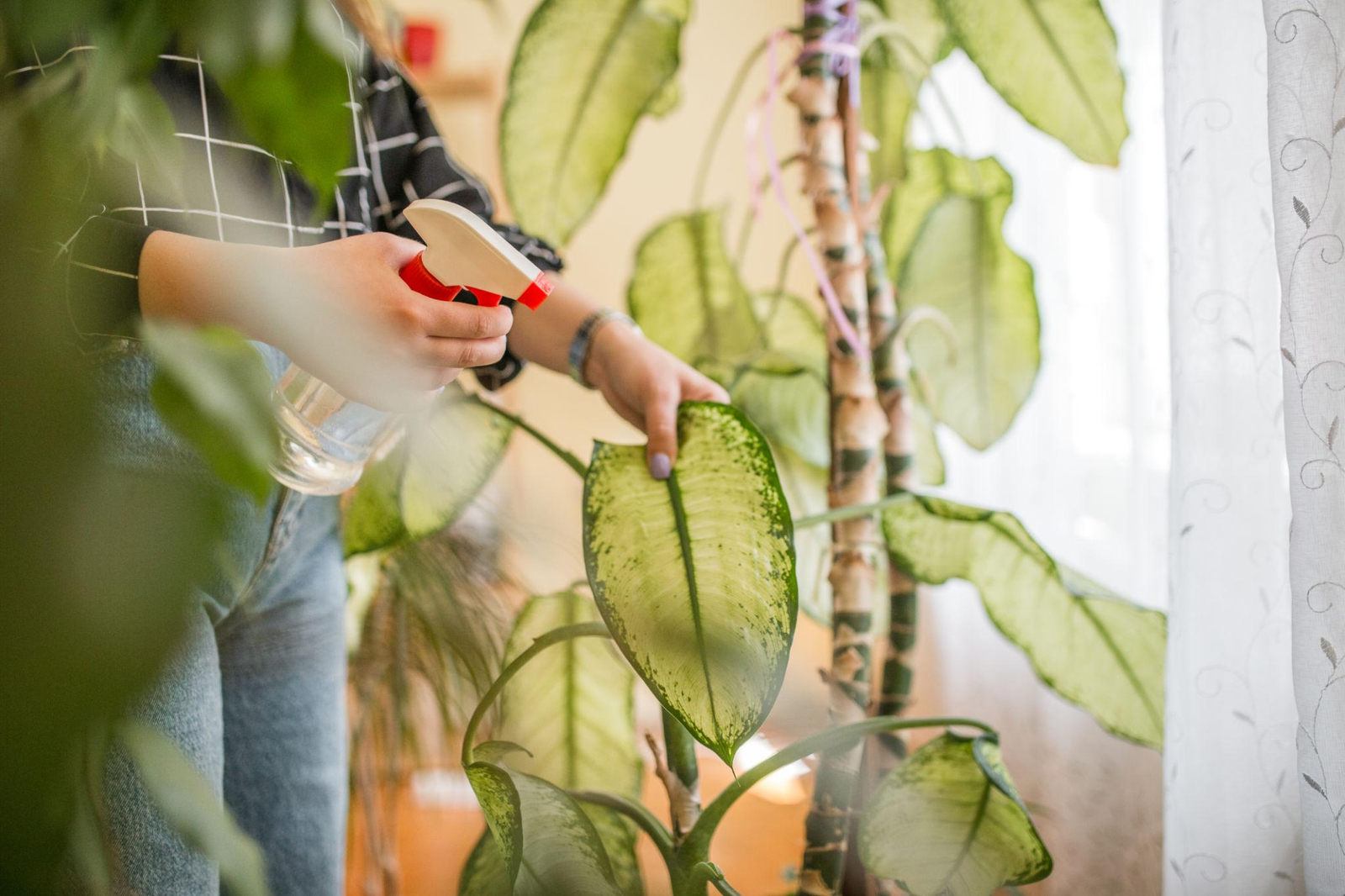
Chemical preventative care adds a layer of consistent, proactive protection.
It doesn’t replace good plant care—it supports it. Instead of relying only on observation, this approach focuses on creating conditions where pests are less likely to establish or multiply—even when introduced.
What This Looks Like in Practice
In my own routine, this shows up as a simple, repeatable system.
Topical Treatments
Products like neem oil, Azamax, or spinosad sprays such as Captain Jack’s Deadbug Brew are applied directly to leaves to deter or disrupt pests where they’re active.
In my own routine, I rotate between Azamax and Captain Jack’s Deadbug Brew as a light, preventative spray.
General Hydroponics Azamax
Botanical insecticide for foliar sprays and soil flushes; alternated with spinosad in my routine.
Bonide Captain Jack’s Deadbug Brew Ready to Use Spray
Effective against thrips and other soft-bodied pests; part of my regular spray rotation.
Targeted Mite Control (When Needed)
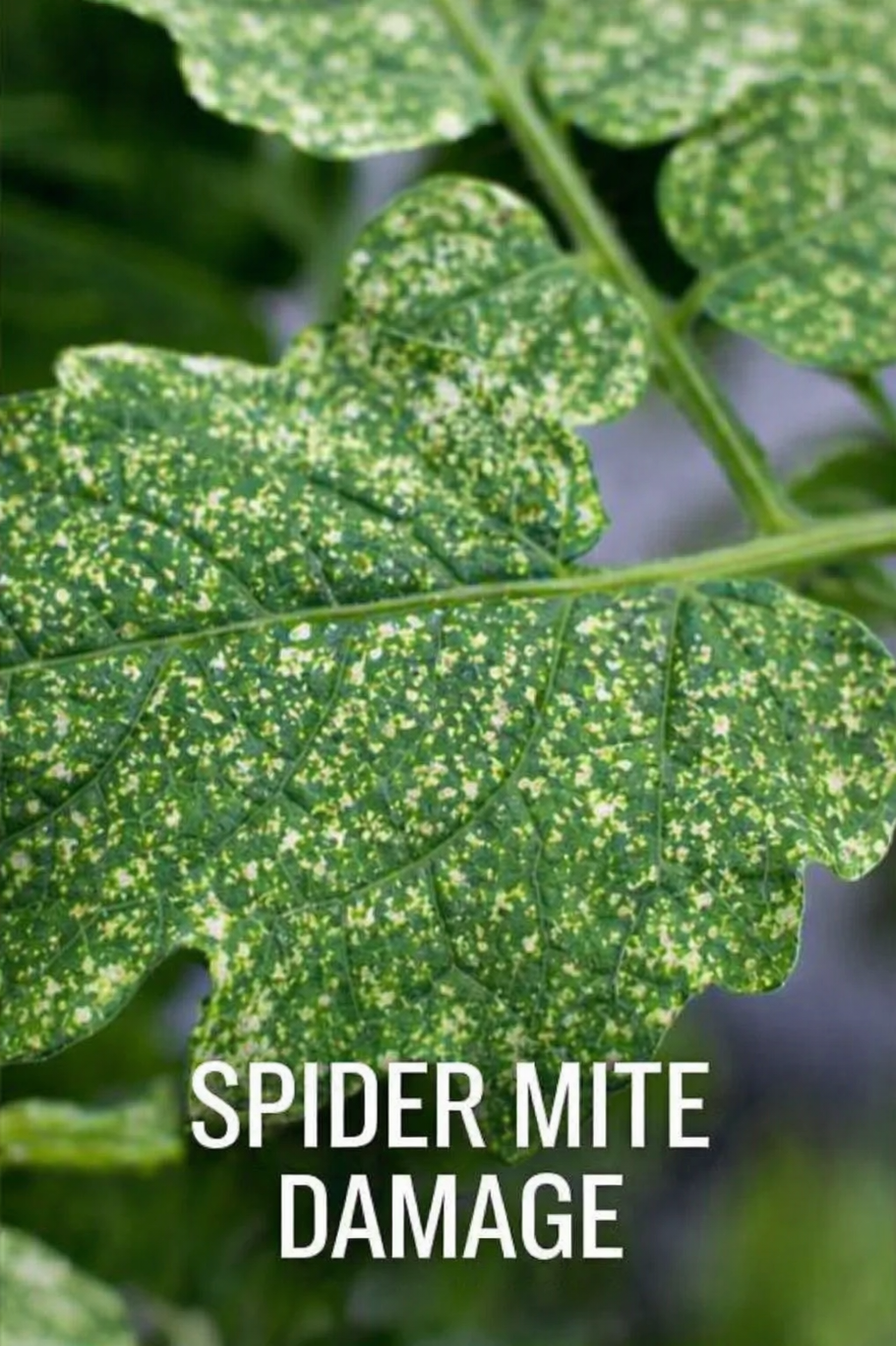
I occasionally use Mite-X for spider mites. It works by disrupting mites on contact and is especially helpful when:
- Conditions are dry (where mites tend to thrive)
- You’re noticing early webbing or stippling
- You need something more targeted than a general spray
I don’t include it in my regular rotation—but use it as a situational tool when mite pressure increases.
Bonide Mite-X Ready-To-Use Spray
Targeted spider mite control; used situationally when mite pressure increases.
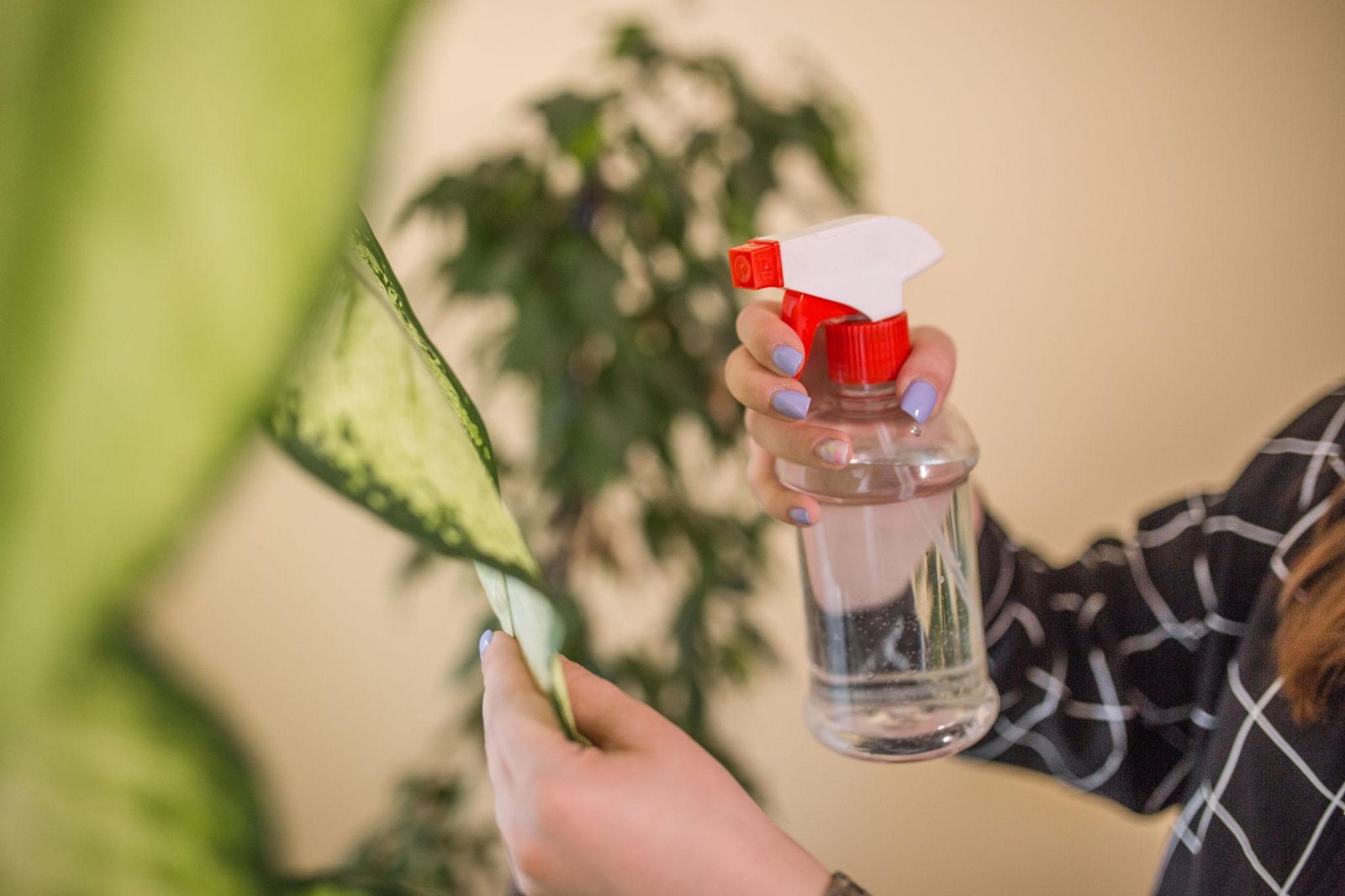
Soil-Based Protection (Systemic Granules and Flushing Method)
Chemical prevention doesn’t just happen on the leaves—it can also happen in the soil, where many pests begin.
Some plant owners use systemic granules for this.
As a last-resort option, products like Bonide Systemic Houseplant Insect Control can provide longer-lasting, internal protection—but they should be used carefully and in controlled settings, especially if you’re also working with beneficial insects.
Bonide Systemic Houseplant Insect Control
Systemic granules that protect plants from the inside out for up to 8 weeks.
Personally, I prefer a flushing approach instead:
- Take plants to sink or tub
- Slowly pour the diluted solution through soil (Azamax or Captain Jack’s Deadbug Brew)
- Let it fully drain out the bottom
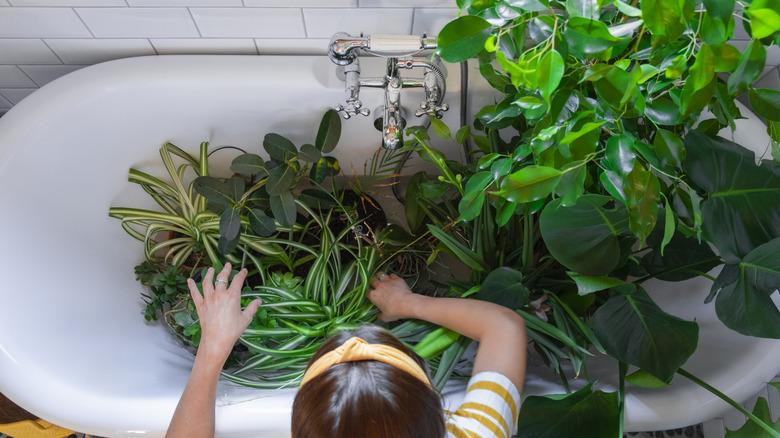
I typically do this every few weeks or as needed, depending on the season and overall plant health.
| Consideration | Azamax (Azadirachtin) | Deadbug Brew (Spinosad) |
|---|---|---|
| Best Use | Broad prevention | Targeted control |
| Works On | Aphids, mites, gnats | Thrips, larvae, soft pests |
| Speed | Slow, works over time | Fast knockdown |
| How I Use It | Flush + preventative layer | Spray + occasional flush |
| Routine Role | Background protection | When pressure increases |
| Beneficial Bugs | Can harm | Can harm |
Azamax provides steady, preventative support while Spinosad offers targeted, situational control.
A Thoughtful Note on Chemical Prevention
Chemical prevention doesn’t have to mean heavy or excessive use. When applied intentionally and in moderation, it can be a supportive part of plant care—not a replacement for it.
For homes with pets or children, it’s important to be mindful of product choice and application—opting for safer options and allowing treatments to fully dry before plants are handled.
A Simple Chemical Prevention Routine
This routine is designed for ongoing prevention—not active infestations:
| Frequency | Action |
|---|---|
| Every 7–10 days | Light foliar spray (rotate Azamax + Deadbug Brew). Focus on undersides, stems, and new growth. |
| Every few weeks | Soil flush with diluted solution, allowing it to fully drain through the pot. |
| As needed | Use Mite-X for early mite pressure. |
This creates a layered system—protecting both the foliage and the root zone—without over-treating or overwhelming your plants.
6. How to Choose: IPM or Chemical Prevention
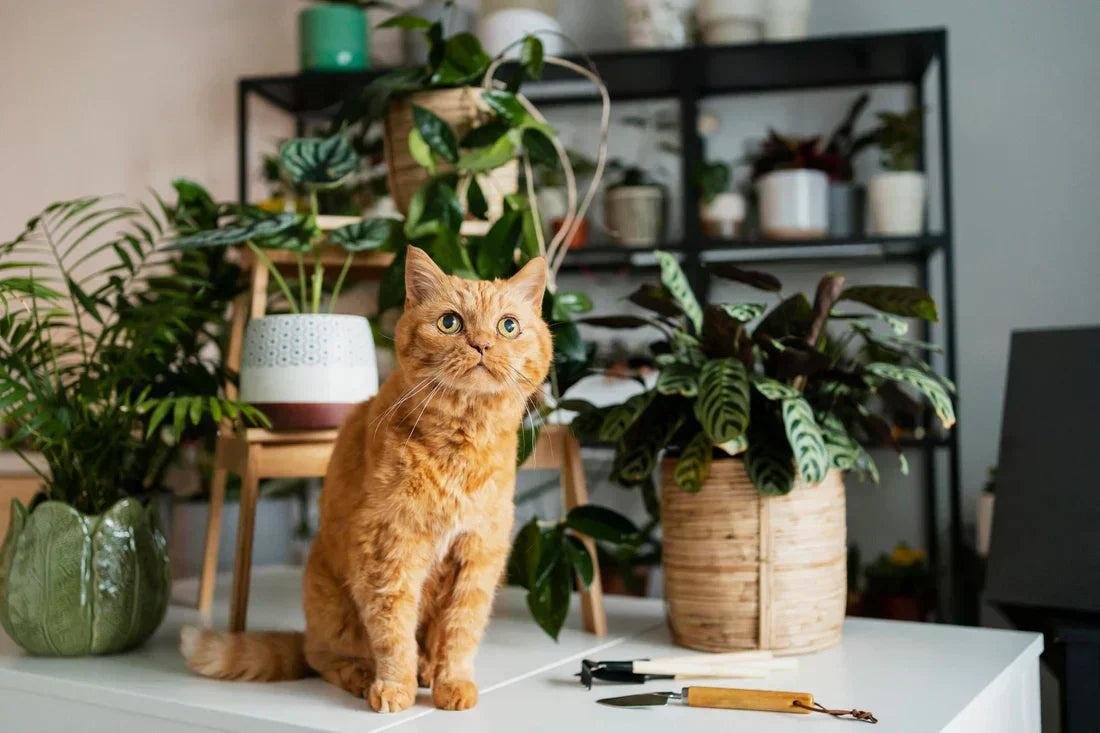
Both IPM and chemical prevention can be effective when built on a strong foundation. The right choice often comes down to your space, your routine, and what’s realistic to maintain consistently.
There isn’t a single “best” method—only what works best within your environment and lifestyle.
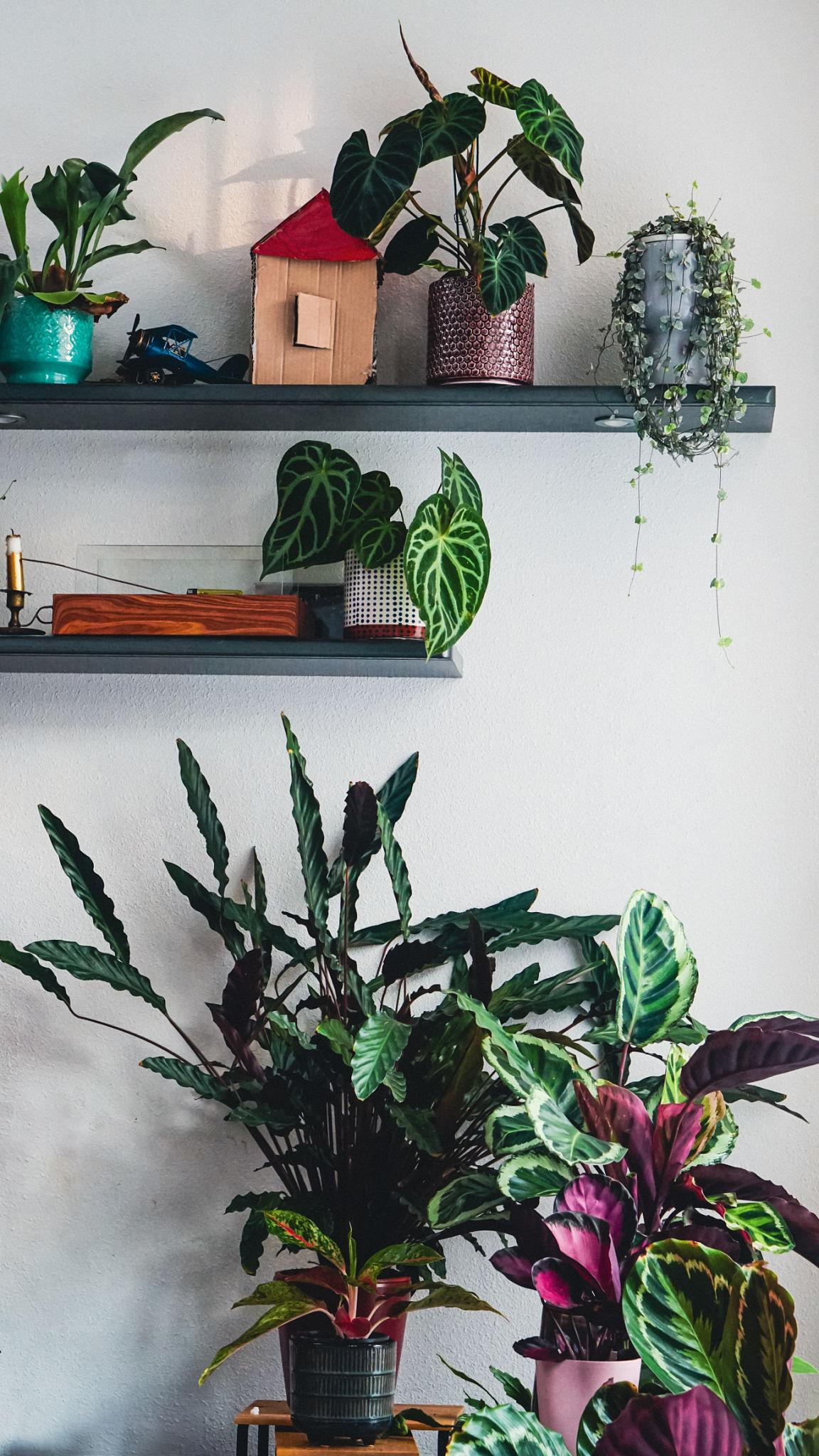
Before choosing, it helps to consider a few key factors:
- How much time you can realistically give your plants
- How your plants are spaced and maintained
- Whether your setup allows for things like flushing or isolation
- How your home environment (including pets and shared spaces) shapes your decisions
Another important consideration is compatibility.
If you’re using beneficial insects, many chemical treatments can harm them as well. Because of this, the two approaches don’t always work well when used together in the same space.
In my own setup, I separate them intentionally:
How I Use Both Approaches
- Enclosed spaces (grow tent) — Chemical prevention, where I can control the environment more easily
- Shared living areas (family room, mudroom, living room) — Beneficial insects and a lighter IPM approach
This allows me to use both methods thoughtfully, without them working against each other.
Choosing Your Approach at a Glance
| Consideration | IPM (Observation-Based) | Chemical Prevention (Routine-Based) |
|---|---|---|
| Time & Attention | More hands-on; requires regular checking and response | More structured; easier to maintain with a set routine |
| Plant Density | Works best when plants are spaced out | Better suited for dense collections where pests spread quickly |
| Environment | Ideal for open or shared living spaces | Works well in controlled or enclosed environments (e.g., grow tents) |
| Pets & Safety | More pet-friendly approach | Requires more caution around pets and shared spaces |
| Beneficial Insects | Fully compatible with beneficial bugs | Not compatible; may harm beneficial insects |
| Style Preference | Observe and respond as needed | Prevent proactively with consistency |
Once you’ve chosen your approach, the goal is consistency—until something changes.
7. When There’s an Active Infestation
If pests are already visible, the approach shifts.
A preventative routine won’t be enough on its own—you’ll need to be more targeted and consistent to break the pest life cycle:
- Apply treatments more frequently (every 3–5 days, depending on the situation)
- Ensure thorough coverage—not just a light mist, but full contact with affected areas
- Physically remove pests when possible
- Isolate affected plants
Once the issue is under control, you can return to a lighter, preventative rhythm.
Potter's Hand Botanicals Takeaway
Pest management doesn’t have to feel overwhelming. It’s not about preventing every possibility—it’s about staying ahead of what’s manageable. Whether you choose IPM, chemical prevention, or a balance of both, what matters most is consistency. Because in the end, healthy plants aren’t the result of perfect care—but of steady, intentional attention over time.
Keep small problems small—so your plants can keep growing the way they’re meant to.