

Affiliate disclosure: This post contains Amazon affiliate links. As an Amazon Associate, Potter's Hand Botanicals earns from qualifying purchases at no extra cost to you.

Your plant pushed a new leaf and now you're spiraling.
Is it repot season? Or is this just late-winter delusion?
Early March is when collectors get impatient. The light shifts. Growth points swell. Instagram says "spring reset."
But here's the truth:
Repot too early and you interrupt fragile root tips that are just getting started. Wait too long and you risk heading into spring already stressed.
The calendar won't tell you what to do. The roots will.
In this post, we're breaking down:
- What roots are actually doing in late winter
- When March repotting makes sense
- When restraint protects your rare plants
- And how your soil mix changes the equation entirely
At Potter's Hand Botanicals, we don't repot because it feels productive. We repot because the roots are ready.
What Roots Are Actually Doing in Late Winter
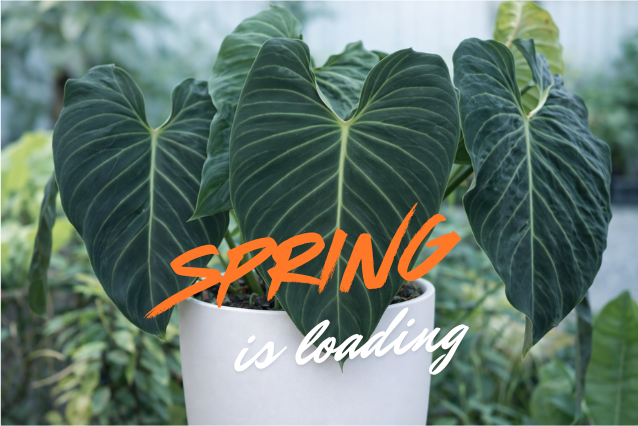
Late winter isn't dormancy.
But early March isn't full spring either.
It's a transition.
Here's what's happening under the soil:
1. Leaves Wake Up First
Longer days mean more light. More light means more energy.
But growth isn't synchronized.
You'll often see new leaves before roots fully ramp up. The top moves first. The roots follow.
This is where clear nursery pots are especially helpful. What looks active above the soil may not yet be fully active below it. Being able to see white root tips, density, and soil condition removes the guesswork.
2. Soil Is Still Cold (Even If Your Room Isn't)
Roots begin moving more confidently once soil temps consistently reach the upper 60s into the 70s.
In early March, root zones often sit closer to 60–68°F.
Cool roots mean slower metabolism. Slower metabolism means slower recovery.
Disturb them now, and stress lingers longer than it would in true spring warmth.
3. New Root Tips Are Fragile
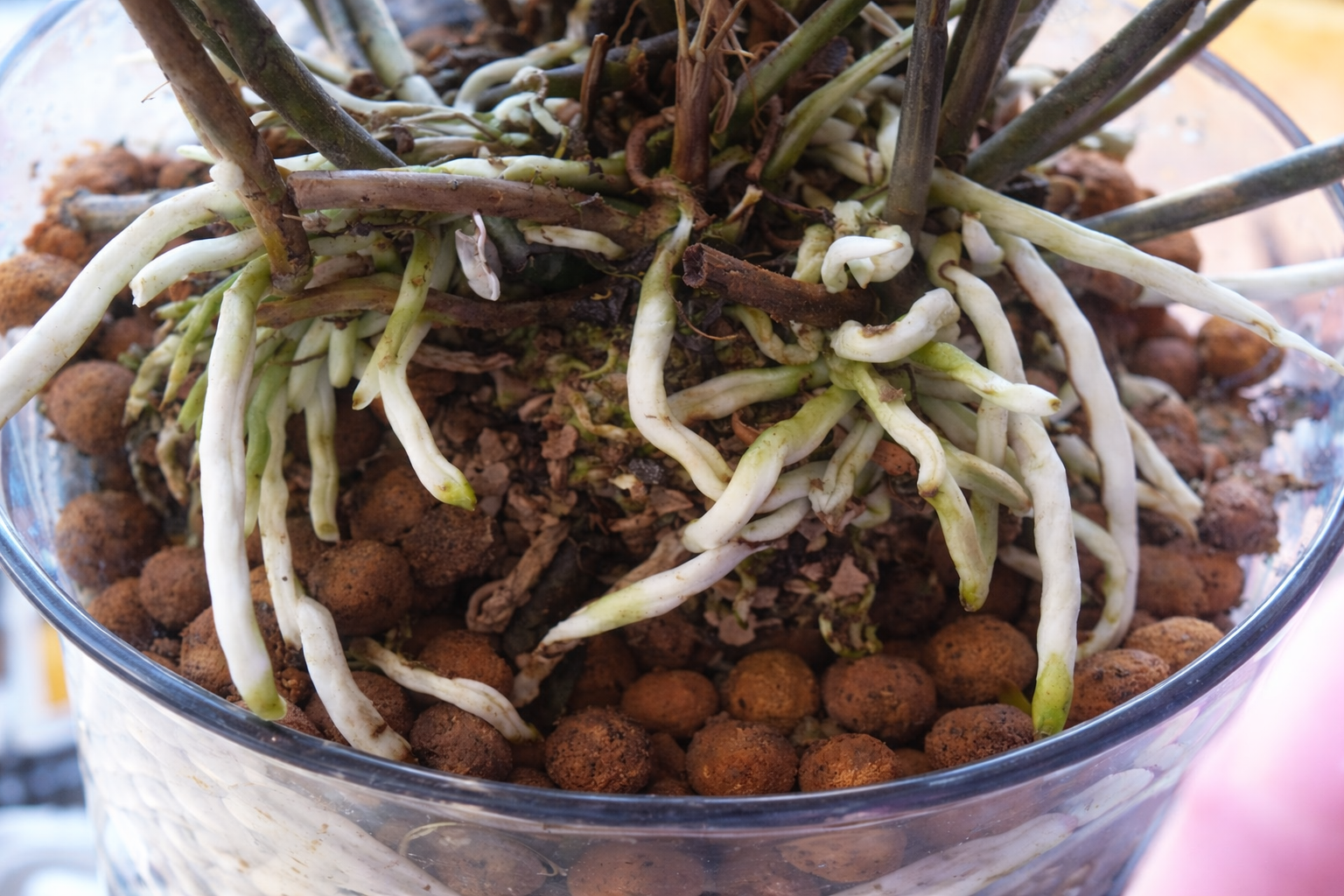
When roots reactivate, they begin as:
- Fine
- White
- Soft
- Exploratory
These aren't thick structural anchors. They're delicate feeder roots.
Repot too aggressively during the initial reactivation phase and you risk damaging the very growth that just started.
4. Soil Biology Is Just Warming Up
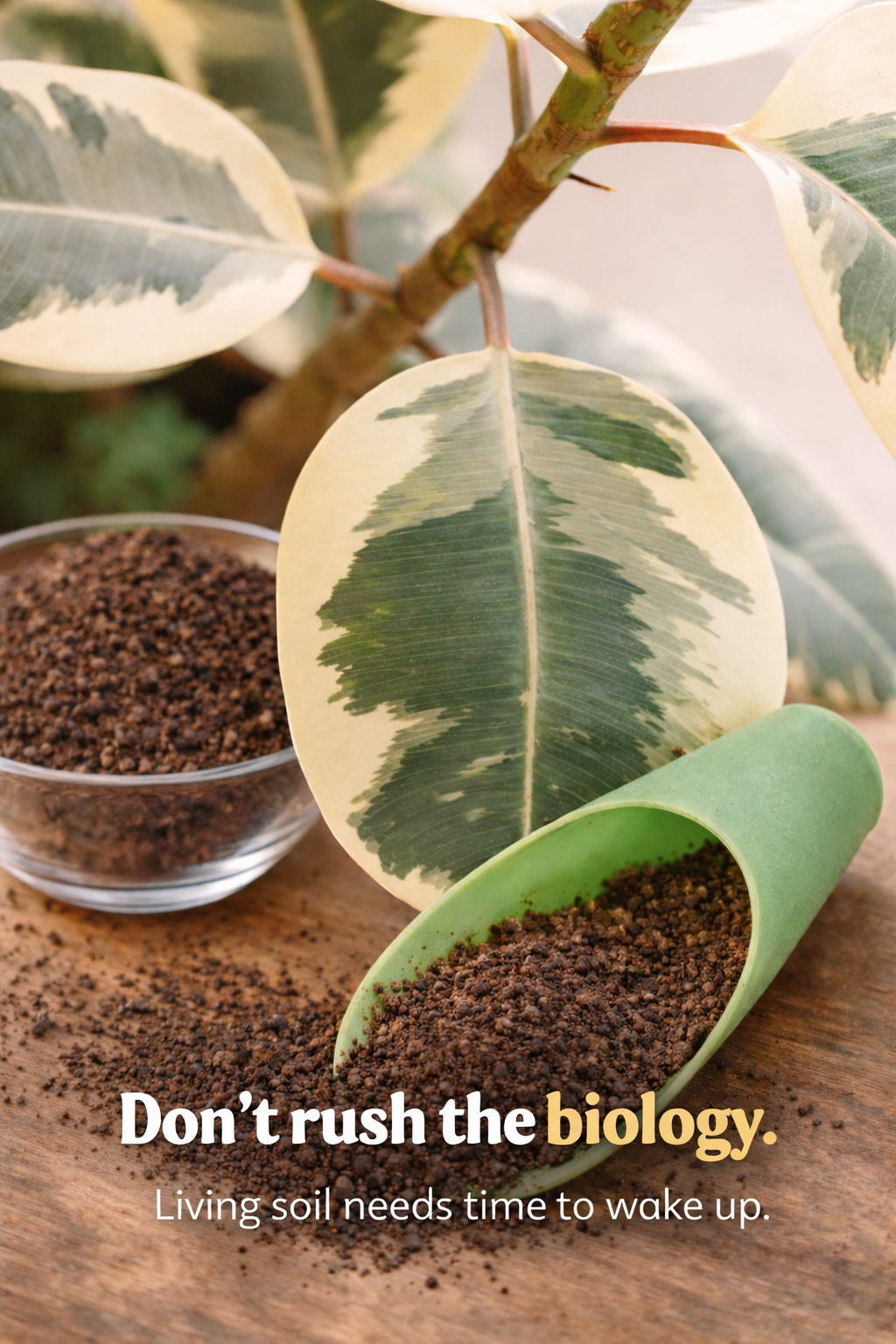
Living soil works best with warmth.
Late winter is warm-ish — not fully active.
If you're investing in soil health through worm castings or other biologically active components, this may not be the ideal moment to disrupt that system. Repotting can reset microbial progress before it fully engages.
5. Water Movement Changes Before Root Growth Does
Brighter days make the plant look active, but the roots are still warming up.
So the soil stays wet longer than you expect.
That's how overwatering sneaks in.
For plants that dry unevenly during this transition, a self-watering pot can help stabilize moisture — but only if the roots are actively growing and ready to use that reservoir.
So What Does This Mean Practically?

Late winter roots are:
- Just beginning to reactivate
- Producing delicate feeder roots
- Limited by cooler soil temperatures
- More fragile than they'll be in true spring
Clear nursery pots make that question easier to answer. Seeing sustained white root growth, density, and soil breakdown removes the guesswork and helps you decide based on evidence — not impatience.
(You can find the clear pots I use below.)
Repot when:
- Roots are circling or visible at drainage holes
- Soil structure is breaking down
- Root zone temps are consistently above ~65–68°F
- You see sustained active white root growth (not just one or two early tips)
Wait when:
- Indoor nights dip below 65°F
- Soil stays wet longer than expected
- Growth above the soil hasn't translated below
Even if your room reads 72°F, pots near windows or cool floors can sit closer to 60–68°F. Roots recover more efficiently once soil temperatures move into the upper 60s and 70s.
Don't repot by the calendar. Repot by root activity.
Early March isn't about rushing. It's about reading the signals.
If you're unsure, wait one watering cycle and reassess. The next few weeks will tell you everything.
How Your Soil Mix Changes the Equation
Not all repot decisions are seasonal. Some are structural.
If you're using a chunky, well-aerated mix that's holding its shape, you likely have more flexibility.
If your mix has:
- Broken down
- Compacted
- Started staying wet longer than usual
That's a different conversation.
In that case, repotting isn't impatience — it's correction.
The calendar doesn't make the decision here. Your soil does.
If you're unsure whether your soil structure is helping or quietly stressing your plant this season, start with our blog article Dirt Matters: Top 5 Soil & Growing Media for Established Aroids and Begonias.
Plants That May Be Exceptions

Some plants don't follow strict seasonal patterns indoors:
If your plant is:
- In a cabinet
- Under consistent grow lights (12+ hrs)
- In 70–75°F stable conditions
- At 60–80% humidity
Then season matters less.
In stable environments, growth cycles flatten out.
Early March repotting is much safer here.
Spring will come either way. Strong roots make sure your plant is ready for it.
Recommended Gear for Late Winter Root Checks
Having the right tools makes root assessment easier and repotting safer — when the time is right.
Clear Nursery Pots
See root tips, density, and soil condition without disturbing the plant.
-
3, 4, 5, 6, 7 in (30 pcs) — great starter set
https://amzn.to/4cT7dOp -
12 inch (6 pcs) — large clear pots for big aroids
https://https://amzn.to/4sjGW0k -
4, 5, 6, 7, 8, 9 in (24 pcs) — full range assortment
https://amzn.to/4bec8br -
6, 8, 10 inch with saucers (12 pcs) — clear pots with trays
https://amzn.to/46tquC9
Self-Watering Pots
Stabilize moisture for plants that dry unevenly during the late-winter transition.
-
4, 5, 6.5 inch (18 pcs) — small to mid-size set
https://amzn.to/3ZXTrTd -
8 inch (5 pcs) — larger self-watering pots
https://amzn.to/4aWvxwj -
6 inch (10 pcs) — popular mid-size option
https://amzn.to/40FejP7 -
4.7, 5.9, 7 inch (6 pcs) — graduated sizes
https://amzn.to/4r0kAQk
Plant Accessories
Makes plant care easier and more efficient.
-
Soil Scooper — ideal for handling airy, chunky mixes while minimizing spills and keeping your repotting process calm and controlled.
https://amzn.to/4slgljv -
Soil Thermometer — designed to measure root-zone temperature
https://amzn.to/406woFL
Grow Tent Setup
Create a stable environment where season matters less — consistent light, temperature, and humidity year-round.
-
Vivosun 5x5 Grow Tent
https://amzn.to/4bjzETx -
Grow Light with Fan — you'll need 2 for the 5x5 tent
https://amzn.to/47196ou -
Extra Fan
https://amzn.to/4s7O2VA -
Adjustable Metal Shelves
https://amzn.to/3MO6e7K
Fertilizers
Feed your plants once they're actively growing and ready.
-
Slow-Release Fertilizer
https://amzn.to/4sb1kAG -
Superthrive Foliage Pro
https://amzn.to/4b427fX
Potter's Hand Botanicals Takeaway
Early March isn't about rushing. It's about reading the signals. The margin for error is smaller. Root tips are tender. Recovery is slower. So instead of asking, "Is it time?" — ask, "Are the roots ready?" Spring will come either way. Strong roots make sure your plant is ready for it.